Comprehensive Guide: How to Winterize an Outboard Motor (DIY Steps & Checklist)
Of course, here is the comprehensive article about how to winterize an outboard motor, written from the perspective of an experienced boat owner.
Table of Contents
- Essential Tools I Always Keep on Hand
- Key Supplies You Can’t Skip
- A Quick Word on Safety
- Step 1: Fuel System Preparation – The First Line of Defense
- Step 2: Engine Oil & Filter Change (For My Fellow 4-Stroke Owners)
- Step 3: Engine Internals & Cylinder Protection with Fogging Oil
- Step 4: Lower Unit Gear Lube Change – Don’t Ignore the Gearbox
- Step 5: Cooling System & Water Drainage – The Most Critical Step
- Step 6: Propeller, Anodes, & External Love
- Step 7: Battery Care & Storage – The Heartbeat of Your Boat
Why Winterizing Your Outboard is Crucial (A Lesson I Learned the Hard Way)
I’ll never forget the sound. It was the first warm day of spring, and all I could think about was getting the boat on the water. I turned the key, and instead of the familiar roar of my Yamaha outboard, I heard a sickening crunch, followed by silence. My heart sank.
A few days and a very painful mechanic’s bill later, I learned my lesson. I had rushed the end-of-season storage, figuring a simple flush was enough. I was wrong. A little bit of water I’d failed to drain had frozen over the winter, expanded, and cracked the engine block. It was a multi-thousand-dollar mistake that cost me weeks of prime boating season.
That’s why I’m writing this guide. Winterizing your outboard motor isn’t just a suggestion; it’s the single most important piece of off-season maintenance you can do. It’s your insurance policy against the destructive trio of freezing, corrosion, and fuel degradation. Taking a few hours in the fall protects your investment, extends your engine’s lifespan, and guarantees you a smooth, reliable startup come springtime. Trust me, the peace of mind is worth every single step.
Pre-Winterization Checklist: Gather Your Tools & Supplies
Before I even think about starting the process, I get everything I need laid out on a tarp next to the boat. Nothing’s worse than having your hands covered in grease and realizing the tool you need is back in the garage. It turns a simple job into a frustrating mess.
Essential Tools I Always Keep on Hand
- Socket/Wrench Set: You’ll need this for spark plugs, drain plugs, and other bolts.
- Spark Plug Socket: This is different from a regular socket; it has a rubber insert to protect the ceramic part of the plug.
- Gear Lube Pump: This screws onto the gear lube bottle and makes filling the lower unit a clean, easy job. Don’t even try to do it without one.
- Flushing Muffs (or “Ears”): This device connects to a garden hose and clamps over the water intakes on your lower unit, allowing you to run the engine safely out of the water.
- Grease Gun: For hitting all the lubrication points (zerks).
- Oil Filter Wrench: An absolute must for 4-stroke owners.
- Torque Wrench: Over-tightening drain plugs or spark plugs can strip threads and cause big headaches. A torque wrench ensures everything is tightened to the manufacturer’s spec.
- Funnel and a Drain Pan: For catching old oil and gear lube.
- Basic Hand Tools: A flathead screwdriver for the gear lube plugs, pliers for hose clamps, etc.
Key Supplies You Can’t Skip
- Fuel Stabilizer: I exclusively use a marine-grade stabilizer like Sta-Bil Marine or Sea Foam. It prevents the fuel (especially ethanol blends) from breaking down and gumming up your fuel system.
- Engine Fogging Oil: This is a special oil you spray into the cylinders to coat the internal parts, preventing rust and corrosion during storage.
- Lower Unit Gear Lube: Make sure you get the right type for your specific outboard model.
- Engine Oil & Filter (4-Strokes Only): Again, marine-grade is best. It has additives to handle the harsh marine environment.
- New Spark Plugs: It’s the perfect time to replace them.
- New Gaskets: You’ll need new little gaskets for the lower unit drain plugs. They’re cheap but crucial for a good seal.
- Marine Grease: A good water-resistant grease for the propeller shaft and all the zerk fittings.
- Corrosion Inhibitor Spray: A spray like CRC 6-56 or Boeshield T-9 is perfect for protecting the powerhead and electrical connections.
A Quick Word on Safety
You’re working with gasoline and running an engine, so be smart. Always work in a well-ventilated area (never in a closed garage), wear safety glasses to protect your eyes from splashes, and throw on a pair of nitrile gloves to keep the grease and oil off your hands.
My Step-by-Step Outboard Motor Winterization Guide
Alright, with everything gathered, it’s time to get to work. I like to follow the same order every time to make sure I don’t miss anything.
Step 1: Fuel System Preparation – The First Line of Defense
Bad fuel is the #1 cause of spring startup problems I see. Over winter, ethanol in gasoline loves to attract water, which can lead to phase separation—a sludgy, unusable mess that clogs fuel lines, filters, and injectors.
Step 2: Engine Oil & Filter Change (For My Fellow 4-Stroke Owners)
If you have a 4-stroke, this step is non-negotiable. Old engine oil contains acidic byproducts and contaminants from combustion. Leaving that stuff sitting in your engine all winter is a recipe for internal corrosion.
Step 3: Engine Internals & Cylinder Protection with Fogging Oil
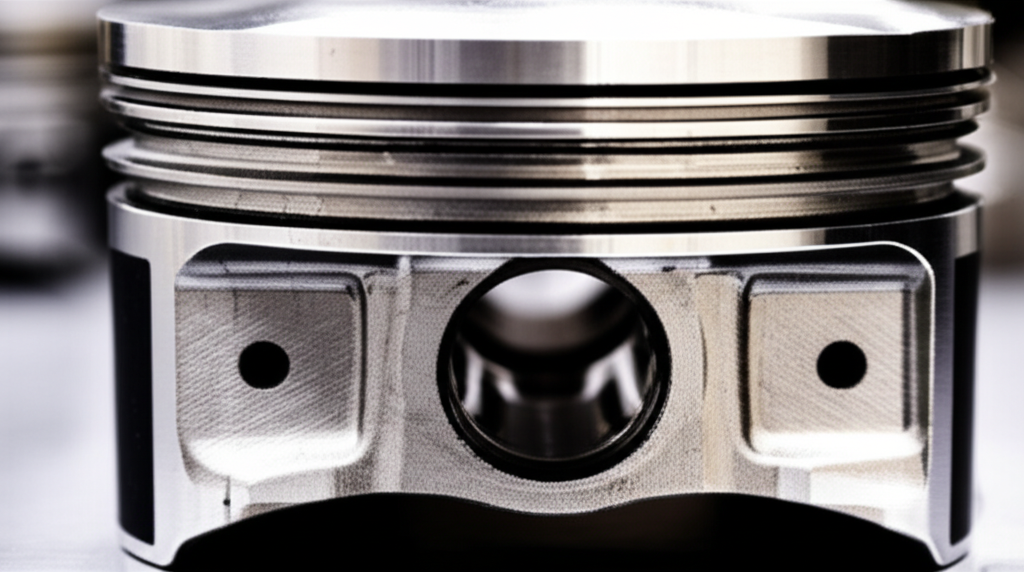
This is where the magic of “fogging” happens. You’re basically creating a protective, oily mist inside the engine to coat the cylinder walls, pistons, and rings.
Step 4: Lower Unit Gear Lube Change – Don’t Ignore the Gearbox
The lower unit, or gearbox, is one of the hardest-working parts of your motor. The gear lube inside can break down, but more importantly, you need to check it for water intrusion.
Step 5: Cooling System & Water Drainage – The Most Critical Step
Remember my story? This is where I messed up. Any water left in the cooling passages can freeze, expand, and crack your engine block or exhaust manifold. You have to get it all out.
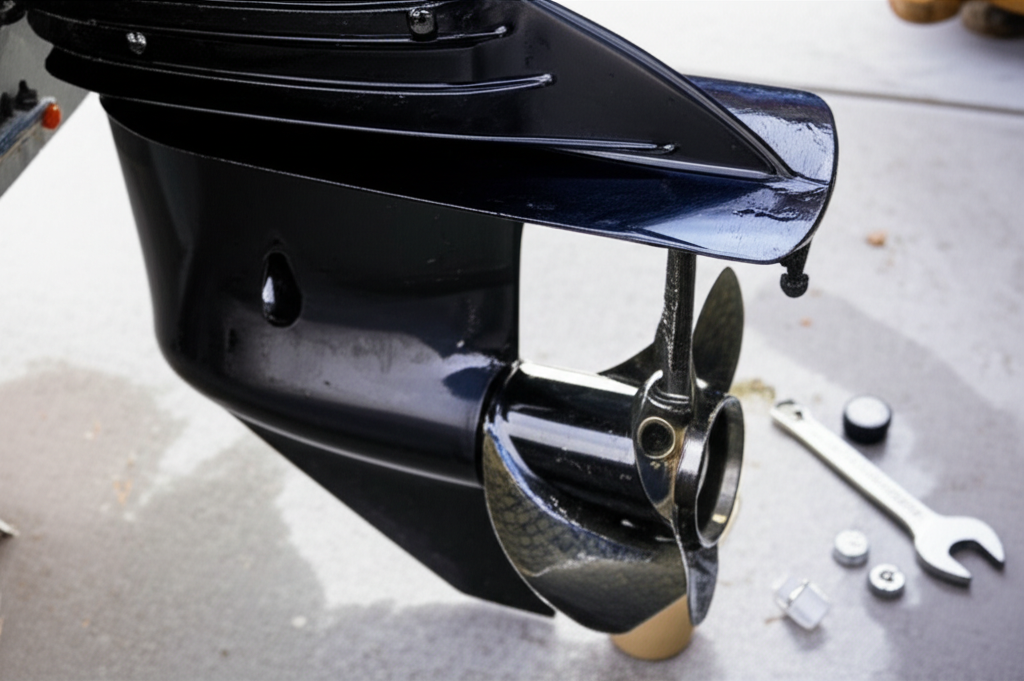
Step 6: Propeller, Anodes, & External Love
With the internal work done, I turn my attention to the outside.
Step 7: Battery Care & Storage – The Heartbeat of Your Boat
A dead battery is a sad way to start the season.
Final Storage Considerations for a Worry-Free Winter
Where and how you store the motor matters.
- Motor Position: Always store the motor in the vertical (down) position. This guarantees any residual water drains out and keeps everything lubricated properly.
- Cover It Up: Use a breathable motor cover. You want to protect it from dust and critters but avoid trapping moisture, which can lead to mold and corrosion.
- Pest Prevention: Critters love to build nests in boats. I place mothballs or peppermint-oil-soaked cotton balls under the cover and in the boat to deter mice and squirrels from chewing on my wiring.
- Storage Environment: If you can, indoor storage is always best. If it has to be outside, shrink-wrapping the whole boat offers the ultimate protection against snow, ice, and rain.
Common Outboard Winterization Mistakes I’ve Seen People Make
Over the years, I’ve helped a lot of friends with their boats. Here are the most common and costly mistakes I see people make:
When to Call a Pro: There’s No Shame in It
Look, I enjoy this process. But I get that it’s not for everyone. You should seriously consider seeking professional winterization from a qualified marine mechanic if:
- You’re Not Confident: If you’re unsure about any step, the risk of a costly mistake might outweigh the savings of doing it yourself.
- You Have a Complex Engine: Newer, high-tech engines (especially large Verados or high-horsepower digital models) might have specific procedures that are best left to a trained technician. The motor principle remains the same, but the specifics can get tricky.
- You Lack the Time or Tools: Life gets busy. Sometimes, paying a professional a few hundred dollars is worth it for the convenience and the warranty that often comes with their work.
Looking Ahead to Spring: A Quick Peek at Dewinterization
The beauty of a thorough winterization job is that getting ready for spring is incredibly easy. My “dewinterize” process is usually just:
That’s it. Because I did the work in the fall, I get to spend the first beautiful spring day on the water, not in the workshop.
Conclusion: The Peace of Mind You Get from Doing It Right
Winterizing my outboard is more than just a chore on my fall checklist; it’s a ritual. It’s the final act of a great boating season and the first step toward ensuring the next one is just as good. It’s the confidence of knowing that when the ice melts and the sun returns, my boat will be ready to go.
By following these steps, you’re not just preventing damage—you’re preserving the fun, the memories, and the freedom that boating brings. Take it from someone who learned the hard way: an afternoon of work in the fall is a small price to pay for a full season of worry-free adventure.