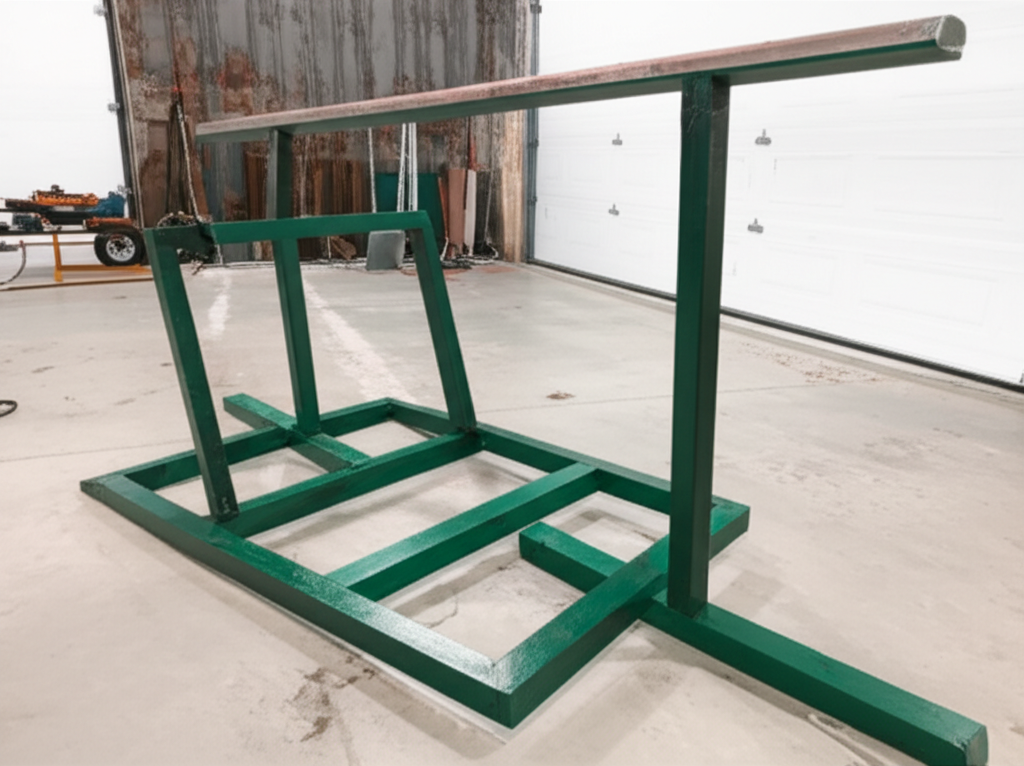
DIY Boat Motor Stand: A Complete Guide to Building Your Own Outboard Engine Caddy
Is your heavy boat motor sitting on the garage floor right now? It’s a common problem. An outboard motor is awkward, heavy, and can get damaged easily. Working on it for maintenance is a real pain. This guide will show you, step-by-step, how to build your very own boat motor stand. It’s cheaper than buying one, and you can make it a perfect fit for your motor and your space. Let’s get started!
Table of Contents
- Why Should I Even Build My Own Motor Stand?
- What Do I Need to Know Before I Start Building?
- Wood or Metal? Which Material is Best for My Stand?
- What Tools Will I Need for This Project?
- Let’s Build! A Step-by-Step Guide to a Wooden Stand
- How Can I Make Sure My DIY Stand Is Safe?
- How Do I Take Care of My New Outboard Caddy?
- Enjoy Your Custom-Built Motor Stand
Why Should I Even Build My Own Motor Stand?
You might be wondering if it’s worth the effort to build a stand. I get it. But let me tell you, once you have one, you’ll wonder how you ever lived without it. The biggest problem is trying to do anything with a loose outboard motor. It’s heavy, it can fall over, and simple tasks like changing the gear oil or flushing the engine become a huge chore. You can’t get to the propeller easily, and you risk hurting your back or damaging the motor. It’s a frustrating situation for any boat owner.
Having a proper stand solves all these problems. First, it saves you money. A good quality, heavy-duty motor stand from a store can be expensive. For a fraction of that cost, you can build a custom motor stand that’s just as good, if not better. Second, you can build it to fit your exact needs. You can choose the height, the width, and even add a tool tray. It’s a great DIY marine project that gives you a huge sense of accomplishment.
A homemade boat motor stand, or outboard motor dolly, is more than just a place to put your engine. It’s a motor stand for maintenance, an engine repair workbench, and a safe spot for long-term storage. When you can roll your motor around the garage and work on it at a comfortable height, you’ll find that boat maintenance is suddenly a lot less stressful. It’s the perfect solution for keeping your marine engine safe and making your life easier.
What Do I Need to Know Before I Start Building?
Before you run to the hardware store, we need to do a little planning. A great stand starts with a great plan. The most important thing is to know your motor. How big is it? How heavy is it? These details will decide the boat motor stand dimensions and the materials you’ll need.
First, look up your outboard motor’s weight. You can usually find this in the owner’s manual or by searching online. You need to build a stand with a weight capacity that is much higher than your motor’s weight. This is the most important of all safety tips for a boat motor stand. Also, check if you have a 2-stroke or a 4-stroke engine, as 4-strokes are often heavier. Knowing the basic motor principle helps you understand why these engines are shaped and weighted the way they are.
Next, you need to measure your motor. You’ll need the shaft length (short, long, or extra-long) to make sure the stand is tall enough so the bottom of the motor doesn’t hit the ground. You also need to measure the clamps that attach the motor to the boat’s transom. Your stand will have a fake transom, and it needs to be the right thickness for those clamps to grab on tight. Think about where you will use the stand. Is it just for winter storage in a corner of your garage, or do you need a portable outboard stand with wheels to move around your shop? This will help you decide on the stand’s final footprint and design.
Wood or Metal? Which Material is Best for My Stand?
Now for the fun part: choosing your materials. The two main choices are wood and metal. Both can create a strong, sturdy motor stand, but they have different pros and cons. For most people building a stand for a small or medium-sized motor, wood is the perfect choice.
A wooden boat motor stand is cheaper and easier to build. You don’t need special tools like a welder. The best wood for a motor stand is pressure-treated lumber, like 2x4s and 2x6s, because it resists rot and moisture. For the part where the motor clamps on (the transom), using two pieces of 3/4″ marine plywood glued and screwed together is a fantastic option. It’s strong and holds up well in a marine environment. Using good fasteners like galvanized screws and bolts will prevent rust and keep your stand solid for years.
A metal boat motor stand is a great choice for very large, heavy outboards. Materials like square tubing or angle iron are incredibly strong. However, building with metal requires more skill and specialized tools. You’ll likely need to do some welding to join the pieces, which isn’t a beginner-friendly task. While an aluminum motor stand is light and won’t rust, it can be expensive and tricky to weld. For a heavy-duty stand that will last forever, metal is king. But for most DIYers, wood offers the best mix of strength, cost, and ease of construction.
Here’s a simple table to help you decide:
| Feature/Metric | Wood Stand (DIY) | Metal Stand (DIY) |
|---|---|---|
| Average Cost | $50 – $150 | $100 – $300+ |
| Build Time | 4-8 hours | 6-12 hours |
| Best For | Small to medium outboards (up to 200 lbs) | Medium to very large outboards (200 lbs+) |
| Skills Needed | Basic woodworking | Metalworking, welding |
What Tools Will I Need for This Project?
You don’t need a fancy workshop to build a great motor stand. If you’re building a wood stand, you probably have many of these tools already. Having the right tools makes the job safer, faster, and more fun.
Here are the essential tools for building a motor stand out of wood:
- Measuring & Marking:
- Measuring tape
- Pencil
- Speed square (for making straight, square cuts)
- Cutting:
- A circular saw or a miter saw for cutting your lumber
- A jigsaw can be helpful for curved cuts, but isn’t required
- Assembly:
- A drill/driver with bits for drilling holes and driving screws
- Clamps to hold pieces together while you work
- Wrenches or a socket set for tightening bolts
- Safety Gear (Very Important!):
- Safety glasses
- Gloves
- Hearing protection
If you decide to build a metal stand, your tool list will be different. You would need an angle grinder for cutting and shaping metal, a welder, a metal chop saw, and files for smoothing sharp edges. For this guide, we’ll focus on the more common woodworking tools for our DIY transom stand. Remember, safety first! Always wear your safety glasses when cutting or drilling.
Let’s Build! A Step-by-Step Guide to a Wooden Stand
Ready to make some sawdust? Here is a simple, step-by-step motor stand guide. We’ll build a rolling motor stand from wood that’s perfect for most outboards. Remember to base your final cutting list on the measurements you took for your specific motor.
How Can I Make Sure My DIY Stand Is Safe?
Safety is the number one priority. A heavy outboard motor falling over can cause serious injury or damage. Building a safe stand isn’t hard, but you need to be thoughtful about it. The goal is stability of the motor stand.
First, never build a stand that is too small for your motor. A wide and deep base is your best friend. A wider footprint makes the stand much harder to tip over. Think about the center of gravity. The heavy powerhead of the motor sits high up, which can make the stand top-heavy. The diagonal bracing we added in the steps above is crucial for fighting this.
Always check your weight capacity. The wood, screws, bolts, and casters you use all have weight limits. Make sure the total capacity of your stand is well over the actual weight of your motor. It’s better to overbuild it and have it be too strong than to have it fail. When you mount the motor, make sure you tighten the clamps down as hard as you can. The motor should not wiggle at all. Before you take your hands off, give it a good shake to test it. And always, always lock the casters when you are not moving the stand.
How Do I Take Care of My New Outboard Caddy?
You’ve built a fantastic stand, and now it’s time to make sure it lasts. A little care will keep your stand safe and strong for many years. It’s an important piece of your boat maintenance tools.
Every few months, give your stand a quick inspection. Check for any loose screws or bolts and re-tighten them if needed. Look for any cracks in the wood, especially around the transom mount where the stress is highest. If you live in a damp place, you may need to re-apply paint or sealant every couple of years to prevent rot. This is especially important for the corrosion resistance of all metal fasteners.
Also, check the casters. Make sure they roll smoothly and that the locks work properly. A little spray of lubricant can keep them from getting stiff. By taking just a few minutes to care for your stand, you ensure it will be a reliable part of your garage workshop for a long, long time. This care extends to the motor itself, where internal parts like the bldc stator core can be better maintained when the engine is properly stored.
Enjoy Your Custom-Built Motor Stand
Congratulations! You’ve gone from having a problem to creating the perfect solution. You’ve learned how to design, plan, and build a sturdy, safe, and custom boat motor stand. This project not only saves you money but also gives you a fantastic tool that makes owning and maintaining a boat so much easier. You’ve tackled a common challenge for boaters and come out on top.
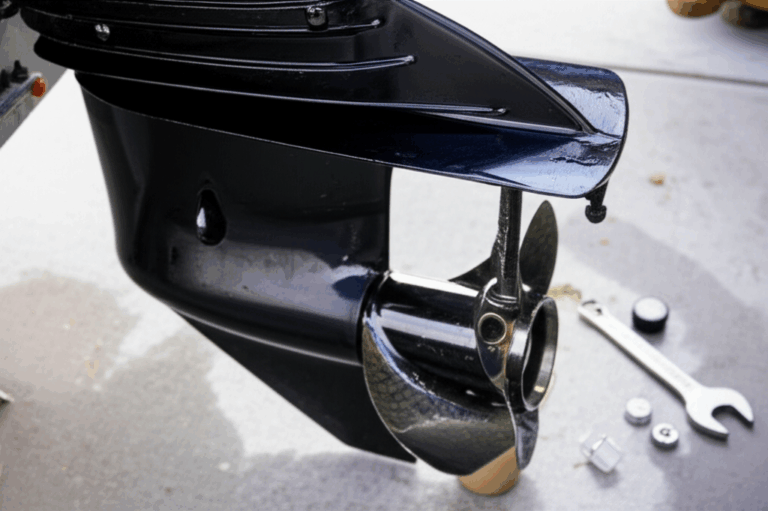
Now you have the perfect platform for all your engine work, from a simple propeller removal to a full gear oil change. You have a secure spot for winter storage and a handy dolly to move your motor wherever you need it. Be proud of what you’ve built.
Key Things to Remember:
- Plan First: Always measure your motor and know its weight before you buy materials.
- Build for Strength: Use good materials like pressure-treated wood and strong fasteners. Don’t skip the bracing!
- Safety is #1: A wide base, high weight capacity, and locking casters are essential for a stable stand.
- Mount it Securely: Always double-check that the motor clamps are tight on the transom board.
- Protect Your Work: A good coat of paint or sealant will make your stand last for years.