How to Put a Motor on a Bicycle: Your Comprehensive DIY Conversion Guide
Do you love riding your bike but hate those steep hills? Is your daily commute just a little too long, leaving you tired and sweaty? You’ve seen those fancy electric bikes, but the high price tag is a big problem. Don’t worry! You can get all the power without spending a lot of money. This guide will show you how to put a motor on your very own bicycle. It’s a fun project, and you will feel so proud riding a bike you built yourself!
Table of Contents
- What Kind of Motor Should You Choose?
- Is an Electric Motor Kit Right for You?
- What About a Gas-Powered Motor Kit?
- What Tools Will You Need for the Job?
- How Do You Get Your Bike Ready for a Motor?
- How Do You Install an Electric Motor Kit?
- How Do You Install a Gas Motor Kit?
- What Should You Do Before Your First Ride?
- Are Motorized Bicycles Legal?
- How Do You Take Care of Your New Motorized Bike?
What Kind of Motor Should You Choose?
So, you want to build a motorized bicycle. That’s great! The first big choice you need to make is what kind of power you want. You can choose an electric motor or a gas motor. Both have good and bad points. It’s like choosing between a quiet, clean electric car and a loud, powerful gas truck.
An electric bicycle (e-bike) is quiet, good for the environment, and easy to use. A gas-powered bicycle is often cheaper to start with and has that classic engine rumble. Your choice depends on what you want from your ride, your budget, and your local laws. Let’s look at both options to help you pick the best bicycle motor kit for you.
Is an Electric Motor Kit Right for You?
Electric bike conversion kits are super popular. They are quiet, don’t make smelly fumes, and are often easier to take care of. When you choose an electric motor kit, you’ll find there are two main types: hub motors and mid-drive motors.
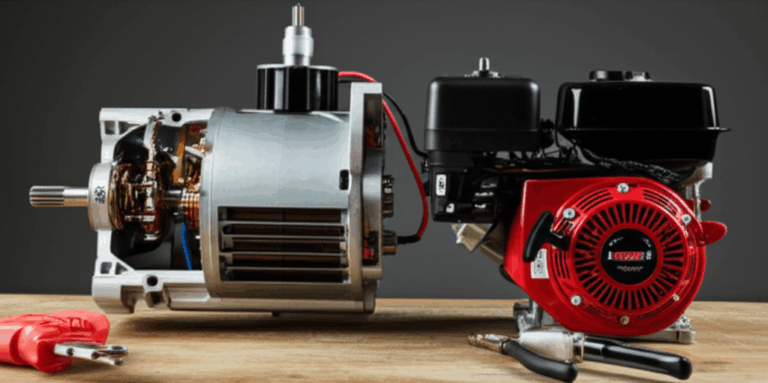
A hub motor is the most common. It’s a motor that is built right into the center (the “hub”) of a wheel. You can get a front wheel hub motor or a rear wheel hub motor. They are usually easier to install, which is great for your first DIY motorized bike project. The motor inside these hubs has many small parts that work together. The quality of the parts, like the motor core laminations, helps the motor run well and last a long time. A mid-drive motor is different. It attaches to the middle of your bike’s frame, near the pedals. These motors are powerful and great for climbing hills because they use the bike’s own gears. However, a mid-drive motor bicycle conversion can be a bit harder to install.
With any electric kit, you’ll also need a battery pack. The battery is like the fuel tank for your motor. A bigger battery means you can go a longer distance, which is called your range. You will also have a motor controller (the motor’s brain) and a throttle or Pedal Assist System (PAS) on your handlebars to control the speed.
| Electric Motor Type | Pros (Good Things) | Cons (Bad Things) |
|---|---|---|
| Hub Motor | Easier to install, good for flat roads. | Can make one wheel heavy, not the best for steep hills. |
| Mid-Drive Motor | Very powerful for hills, feels natural to ride. | Harder to install, costs more money. |
What About a Gas-Powered Motor Kit?
If you like the sound and feel of an engine, a gas motor for a bicycle kit might be for you. These kits turn your bike into something like a small moped. They have been around for a long time and are a fun way to get around. There are two types of gas engines you can get.
A 2-stroke engine is simpler and lighter. You have to mix oil with the gasoline to keep the engine running smoothly. They are known for being a bit louder and making more smoke. A 4-stroke engine is more like a car engine. It is quieter, cleaner, and you don’t have to mix oil in the gas. But it is also heavier and can be more expensive. Both types use a fuel tank that you mount on the bike’s frame and an exhaust system to let the fumes out.
A gas-powered bicycle conversion requires you to mount the engine, attach a special sprocket to your rear wheel, and connect everything with a chain. You will also install a clutch and throttle on your handlebars. It’s a true mechanical project!
What Tools Will You Need for the Job?
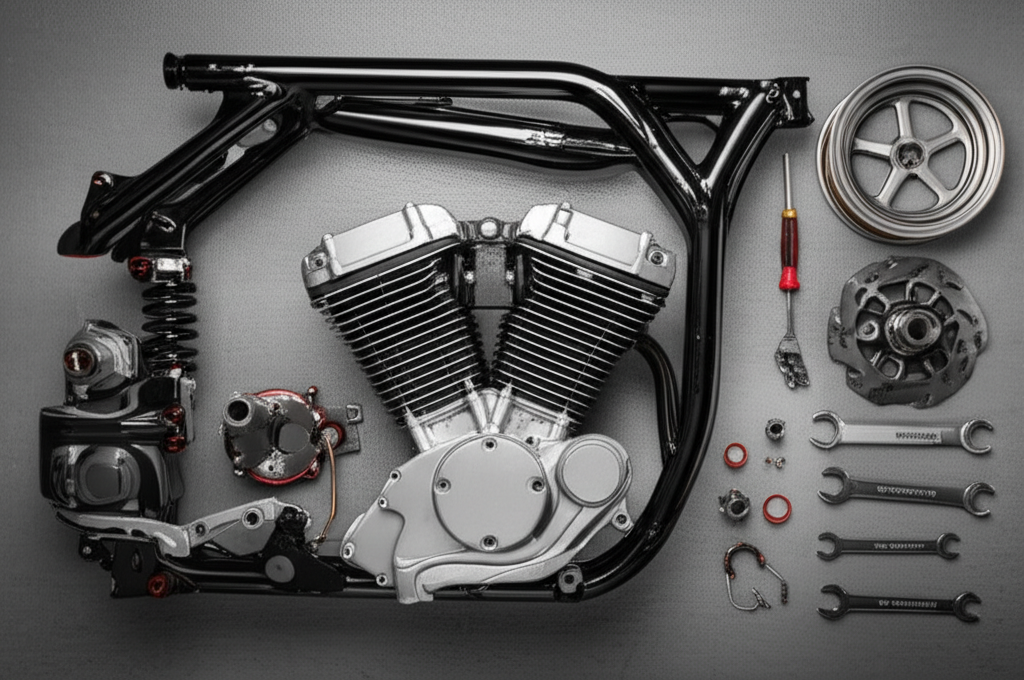
Before you start your bicycle motor kit installation, you need to gather your tools. Having the right tools makes the job much easier and safer. You probably have many of these at home already. Think of it like getting all your ingredients ready before you start cooking.
For almost any kit, you will need some standard bicycle tools. This includes a set of wrenches, hex keys (also called Allen wrenches), screwdrivers, and tire levers. A chain breaker is also a very handy tool. For your specific kit, you might need a few extra things. For an electric kit, a multimeter can help you check wires. For a gas kit, some clamps for the fuel line are a good idea.
Most important of all is your safety equipment! Always wear eye protection to keep things from flying into your eyes. Gloves will protect your hands from getting greasy or cut. And of course, you will need a good helmet for when you are ready to ride.
How Do You Get Your Bike Ready for a Motor?
Not every bicycle is ready for a motor. Before you buy a kit, you need to check if your bike is a good fit. This is a very important step. Adding a motor puts extra weight and stress on your bike, so you need a strong and sturdy bicycle frame.
Look at your bike’s frame. A strong steel frame is usually best, especially for a heavy gas engine. Make sure there is enough space inside the frame’s main triangle to mount the engine or a battery. You also need to check your wheels and brakes. The motor will make you go faster, so you need good brakes to stop safely. Disc brakes are better than rim brakes for motorized bikes because they have more stopping power.
Once you know your bike will work, give it a good cleaning. A clean bike is easier to work on. Then, you may need to remove some parts you won’t need anymore. For example, if you are installing a mid-drive motor, you will have to take off your old crankset and pedals. Taking the time to prepare your bike makes the whole conversion process go much smoother. And remember, this is the best time to check your local motorized bicycle regulations by state. It is much better to know the rules before you build.
How Do You Install an Electric Motor Kit?
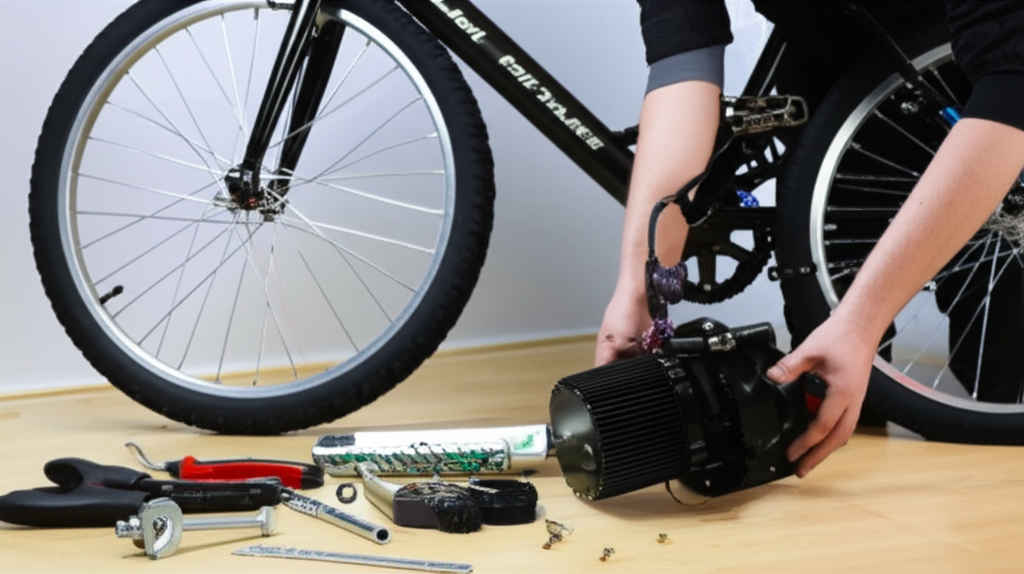
Let’s walk through the basic steps for a common electric bike conversion. We will use a rear hub motor as our example. Don’t worry, most kits come with detailed instructions!
First, you will take off your old rear wheel. Then, you will put the new hub motor wheel on your bike. Make sure it fits snugly and the bolts are tight. Next, find a good spot to mount the battery for electric bike conversion. Many people mount it on the frame where a water bottle cage goes, using a water bottle battery mount. A rear rack is another good spot.
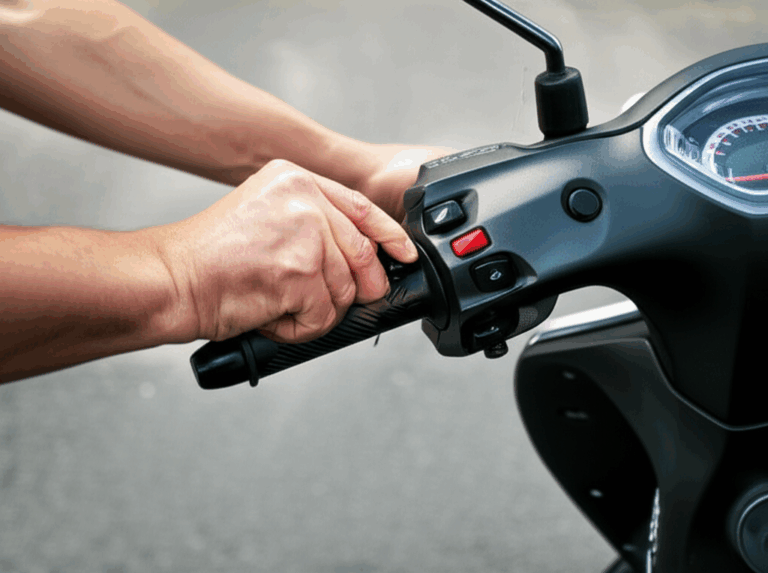
Now it’s time for the electronics. Mount the controller for electric bicycle motor to the frame. Then, you will run the wires. The wiring harness connects everything together: the motor, the battery, the throttle on your handlebars, and the brake levers. Many electric kits come with special brake lever electric bike motor cut-off switches. These are a great safety feature because they turn the motor off as soon as you pull the brakes. Finally, you can install the LCD display on your handlebars and use zip ties to make all the wires neat and tidy. The simple science behind how this all works is amazing; you can learn more about the basic motor principle to understand how electricity makes you go!
How Do You Install a Gas Motor Kit?
Installing a gas powered bicycle conversion kit is a bit more greasy but just as rewarding. Let’s use an in-frame engine kit bicycle 2-stroke as our example. This is a very hands-on project that involves a lot of nuts and bolts.
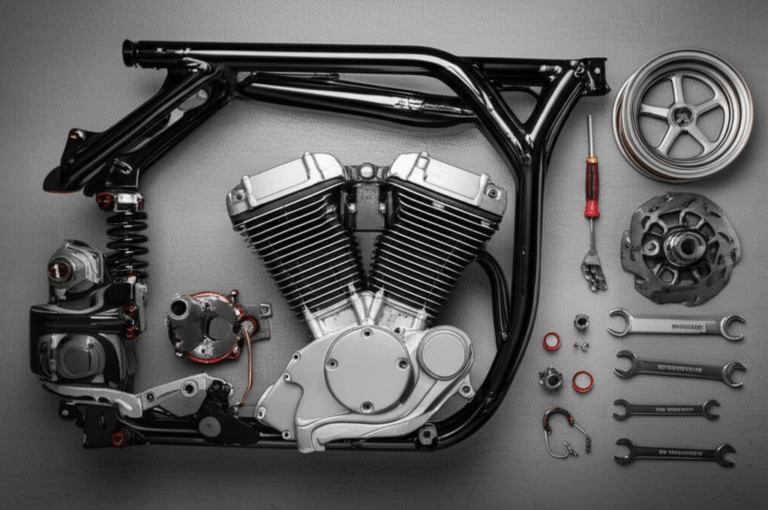
First, you will do the bicycle engine mounting. You will lift the engine into the “V” of your bike’s frame and secure it with the mounting brackets that come in the kit. Make sure it is very tight because the engine will vibrate. Next, install the motorized bike fuel tank placement, usually on the top tube of the frame. Connect the fuel line from the tank to the engine’s carburetor. After that, attach the motorized bike exhaust pipe. This can sometimes be tricky to get around the pedals.
Now for the drive system. You will bolt a large sprocket to the spokes of your rear wheel. This sprocket gets its own bicycle chain drive motor that connects to the engine. You will use a chain tensioner motorized bike part to make sure the chain is not too loose or too tight. Finally, you mount the throttle and clutch lever to your handlebars and connect their cables to the engine. Adjusting the clutch assembly motorized bike is key to making it ride smoothly.
What Should You Do Before Your First Ride?
You did it! The motor is on your bike. But don’t go speeding down the street just yet. A pre-ride check is one of the most important safety tips motorizing bike. This quick check can prevent a big motor problem later on.
First, go over every single nut and bolt you touched. Make sure they are all tight. An engine’s vibration can shake things loose. For a gas bike, check that the fuel lines are secure and not leaking. For an electric bike, double-check all the wire connections. Put your bike on a stand so the wheel can spin freely. Now, give it a little power. Does the motor run? Does the wheel spin? This is your static test.
Now you are ready for a low-speed test ride. Find a big, empty parking lot. Go slow at first. Get a feel for how the bike handles with the extra weight. Practice using the throttle and the brakes. The bike will feel different now, so take your time to learn. You may need to make small adjustments to the chain tension or the throttle cable. Always, always, always wear your motorized bike safety gear, especially a helmet.
Are Motorized Bicycles Legal?
This is a big question, and the answer is… it depends on where you live. The laws for motorized bikes are different in every state and even in different cities. This is why you must check your local motorized bicycle legal requirements before you ride. Breaking the rules can lead to big fines.
In many places, electric bikes are put into classes. For example, a Class 1 e-bike only helps you when you pedal, and it stops helping at 20 mph. A Class 2 e-bike has a throttle but also stops at 20 mph. These are often treated just like regular bikes. Gas-powered bikes are often different. Because they have an engine, some places might call them mopeds or motorcycles. This could mean you need registration motorized bicycle, a driver’s license, and even motorized bike insurance.
Look up the laws for your area online. Search for things like “motorized bike speed limit” or “motorized bike regulations by state” plus the name of your state. Knowing the rules helps you ride safely and legally. The inside of an electric motor contains a carefully designed bldc stator core, which is key to its performance. But no matter how well it’s built, it still has to follow the law.
How Do You Take Care of Your New Motorized Bike?
Your new powered ride will need a little more love than a regular bike. Good motorized bike maintenance tips will keep your bike running great for a long time. It’s like having a pet; you need to feed it and take care of it.
For an electric bike, the most important thing is the battery. Follow the charging instructions carefully. Don’t leave it plugged in for days at a time. Keep your chain clean and lubed, check your brake pads often, and keep the tires filled with air. If you have problems, it’s often an issue with a loose wire or a sensor.
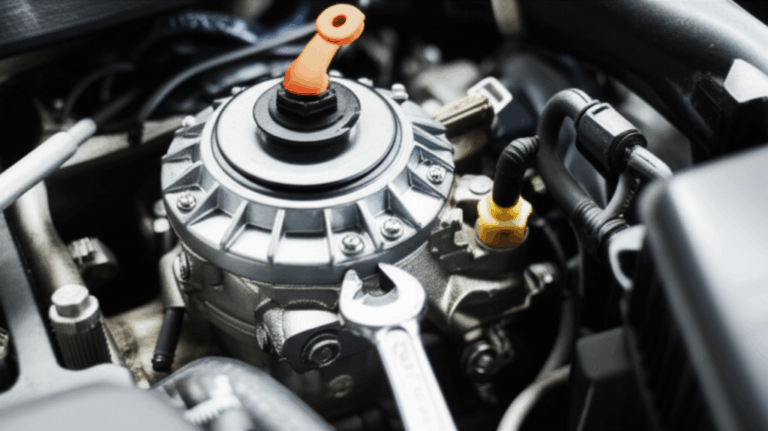
For a gas bike, you will need to do regular engine tune-ups. This includes cleaning the air filter motorized bike engine, checking the spark plug motorized bike, and making sure the motorized bike carburetor adjustment is right. You’ll also need to keep the drive chain clean and tight. Listening to your engine can tell you a lot. If it sounds different, it might be time to check things out. Regular care is the best way of troubleshooting motorized bike problems before they happen.
Your Adventure Begins
Building your own motorized bicycle is an amazing journey. You took a normal bike and gave it superpowers. You saved a lot of money compared to buying a pre-built bike, and you learned a ton along the way. Now you can flatten hills, travel farther, and feel the wind in your face.
Remember to always ride with care. You are faster and heavier than a regular bike, so be extra aware of cars, people, and road rules. Enjoy the freedom and the power you built with your own two hands.
Key Things to Remember:
- Choose Your Power: Decide between a quiet, clean electric kit or a powerful, rumbling gas kit.
- Check Your Bike: Make sure your bicycle has a strong frame and good brakes before you start.
- Safety First: Always use safety gear when building and riding. Wear a helmet every single time.
- Double Check Your Work: Before your first ride, tighten all the bolts and test everything in a safe place.
- Know the Law: Look up your local rules for motorized bicycles to avoid getting in trouble.
- Do Regular Maintenance: A little bit of care will keep your bike running smoothly for years to come.