How to Start a Motor Scooter: Your Complete Guide
There’s nothing quite like the freedom of a motor scooter. You’re all set to go for a ride, you hop on, turn the key, and… nothing. Just silence. Or maybe a sad little clicking sound. It’s so frustrating! You start to worry. Is it broken? Will this be expensive? Your fun trip is now a big headache.
But don’t worry! I’ve been there, and I can tell you that most of the time, the reason a motor scooter won’t start is very simple. You can probably fix it yourself in just a few minutes. This guide will show you exactly what to do. We’ll go through every step, from basic checks to using the electric start and the kickstarter. You’ll learn how to fix common problems and get your scooter running smoothly. Let’s get you on the road!
Table of Contents
- What Should I Check Before Trying to Start My Scooter?
- How Do I Use the Electric Start? (The Easy Way)
- What if My Electric Start Isn’t Working?
- How Do I Use the Kick Start? (The Backup Plan)
- Why is My Kick Start So Hard or Not Working?
- How Do I Start My Scooter When It’s Cold?
- What if My Scooter Has Been Sitting for a Long Time?
- Did I Flood My Engine? And How Do I Fix It?
- What are the Most Common Reasons a Scooter Won’t Start?
- How Can I Stop This From Happening Again?
What Should I Check Before Trying to Start My Scooter?
Before you even try to start your scooter, let’s do a quick pre-ride check. Taking 30 seconds to do this can save you a lot of trouble. It’s like looking both ways before you cross the street. It’s a simple habit that keeps you safe and your scooter happy.
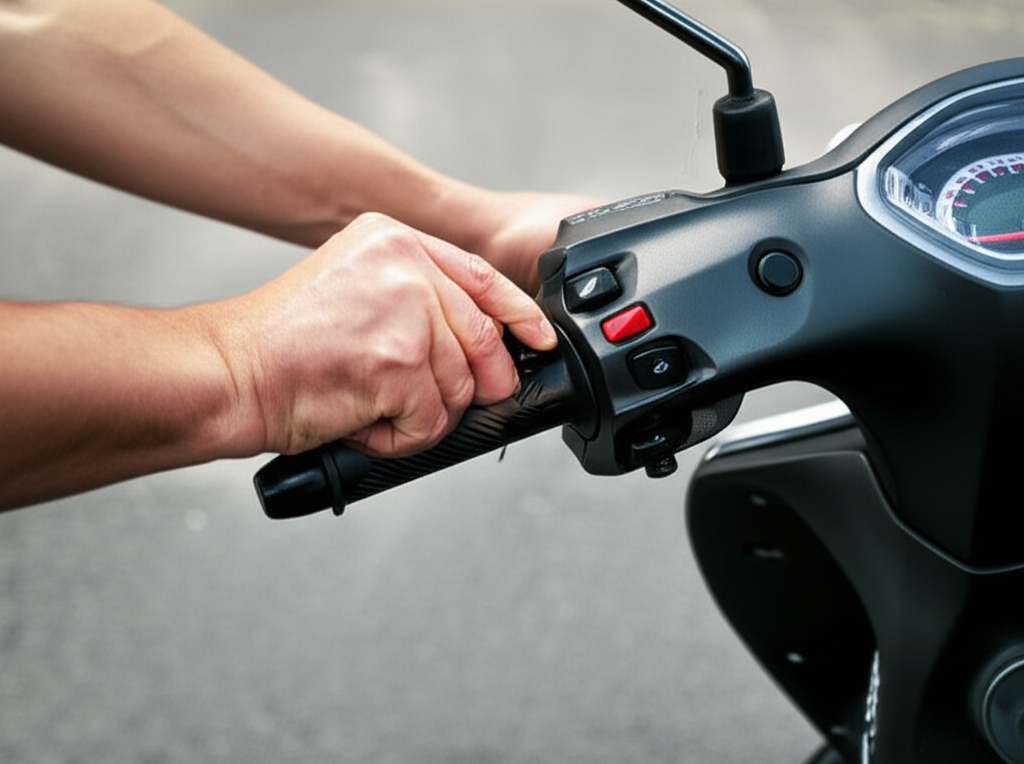
First, put your scooter on its center stand. This makes it stable and safe to work with. Look around to make sure you have space. Next, find these key parts: the ignition key slot, the red kill switch on the handlebar, your brake levers, the starter button, and the kickstarter pedal. Knowing where everything is makes the motor scooter starting procedure much easier.
Now for the basic checks. Does your scooter have fuel? Look at the fuel gauge or open the fuel tank to peek inside. A scooter not getting fuel is a common problem! For a four-stroke scooter, check the oil level. Also, give your tires a quick look to make sure they aren’t flat. Simple, right? This beginner scooter guide is all about making things easy.
How Do I Use the Electric Start? (The Easy Way)
Using the electric start is the most common way to get your motor scooter engine running. This is the “twist and go” method that makes scooters so much fun. For a modern scooter, this is your go-to starting technique.
Here is the simple, step-by-step electric start process:
What if My Electric Start Isn’t Working?
So you followed the steps, but your electric start scooter won’t work. This is a classic scooter starting problem. Let’s figure out why. First, listen carefully. What sound does it make?
If you hear nothing at all—no clicks, no sounds, and the lights are dim or off—you probably have a dead battery. Your battery might be old or maybe you left the lights on. You might need to jump-start the scooter or use a trickle charger. Sometimes, the problem is just a loose wire on the battery terminal.
If you hear a “clicking” sound but the engine doesn’t turn over, your battery is likely very weak. It has just enough power to work the starter relay (or starter solenoid), but not enough to turn the engine. If the engine cranks but won’t fire up, the problem is different. This “cranks but won’t start” issue usually points to fuel or spark. The internal parts of the electrical system, like the stator core lamination, are built to last but a weak battery can’t power them. A faulty CDI unit or ignition coil could also be the culprit.
How Do I Use the Kick Start? (The Backup Plan)
What if your battery is dead? Don’t worry! Most scooters have a backup plan: the kickstarter. This manual start method doesn’t need a battery to create a spark. It’s a lifesaver when you’re stuck. Learning how to use the kickstarter effectively is a great skill.
Here is a kick start scooter tutorial to get you going:
Why is My Kick Start So Hard or Not Working?
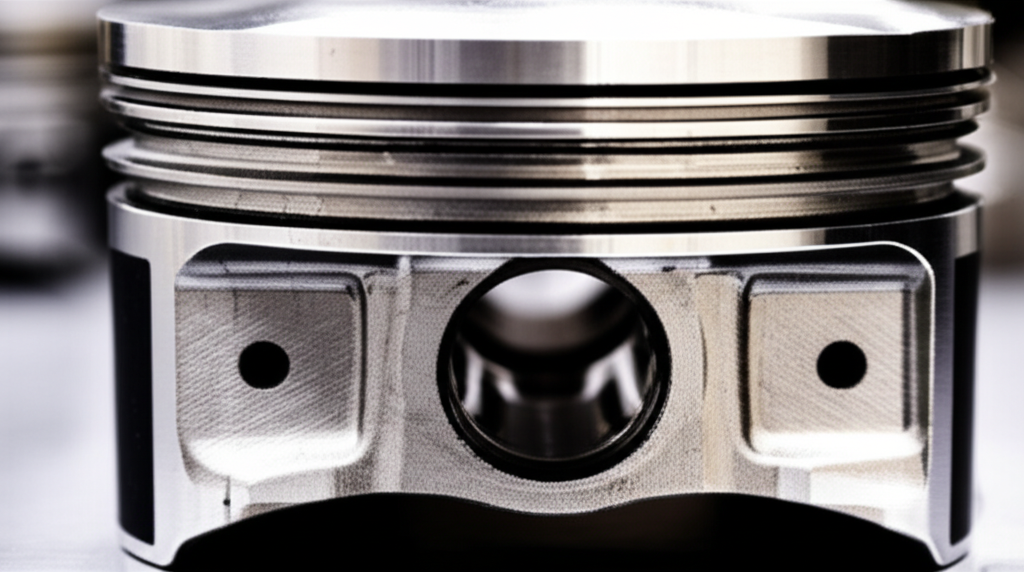
Sometimes, the kick start gives you trouble too. If the kickstarter feels stuck or is very hard to push, it could mean there’s an issue inside the engine, like a problem with the piston or cylinder. This is called low compression and it is a more serious issue. You might need a mechanic to do a compression test.
If the kickstarter moves easily but the engine won’t start, the problem is likely the same as with the electric start: fuel or spark. Check your spark plug. Is it dirty or wet? A fouled spark plug is a common cause of a no-start. Also, make sure your fuel petcock is open so fuel can flow. The kickstarter is just a way to turn the engine over; it still needs fuel and a spark to run. The engine’s electrical system, which includes parts like the bldc stator core, must generate a spark for ignition to happen.
If the kickstarter kicks back at you, it could be a sign of an engine timing issue. This is less common but can happen on a vintage scooter or one that needs maintenance. Always wear sturdy shoes when using the kickstarter to protect your foot.
How Do I Start My Scooter When It’s Cold?
Starting a scooter in the winter can be tough. The cold makes everything harder. The battery is weaker and the oil in the engine is thick. This is where the choke becomes your best friend. A choke is also called an enricher valve. It gives the engine a richer fuel mixture to help it fire up in the cold.
For a cold start, always use the choke. If you have a manual choke, pull the lever all the way. If you have an automatic choke, you just need to turn the key and wait a moment before starting. After the scooter starts, you’ll need to let it warm up. Let the engine idle for a minute or two. You’ll hear the engine sound change as it warms.
As the engine warms up, you need to slowly push the choke lever back to the “OFF” position. If you leave the choke on for too long, you can foul the spark plug. A good warm-up makes sure your scooter runs smoothly and doesn’t stall when you ride away.
What if My Scooter Has Been Sitting for a Long Time?
Did you leave your scooter in the garage all winter? If a scooter sits for months, it can be hard to start. The biggest problem is old fuel. The gasoline in your fuel tank can go bad after just a few months. Bad gas can clog up your carburetor and fuel lines.
If your scooter has been in long-term storage, the first thing to check is the fuel. If it smells funny or looks dark, you should drain it and put in fresh gas. You might also need to clean the carburetor. The small jets inside, like the pilot jet and main jet, can get clogged easily. Also, your battery is probably dead after sitting for so long. Using a battery tender is the best way to keep it charged during storage.
Before you try to start it, check the air filter to make sure no critters have made a home in there. A clogged air filter can also prevent your scooter from starting. It’s like trying to breathe with a pillow over your face. The engine needs air to run!
Did I Flood My Engine? And How Do I Fix It?
Have you been trying to start your scooter over and over with the choke on? Do you smell a strong odor of gas? If so, you may have a flooded engine. This happens when too much fuel gets into the engine’s cylinder and wets the spark plug. A wet spark plug can’t make a spark.
Don’t panic! A flooded scooter engine fix is easy. Here’s what you do:
What are the Most Common Reasons a Scooter Won’t Start?
When you’re dealing with scooter starting problems, it helps to know what usually goes wrong. Based on what repair shops see every day, most issues fall into just a few categories. A scooter won’t start for many reasons, but these are the big ones. Here’s a quick scooter troubleshooting guide.
Table: Common Motor Scooter Starting Issues & Their Causes
| Category / Issue | Common Causes | Impact on Starting | How to Fix It |
|---|---|---|---|
| Battery Problems | Dead/weak battery, old age, cold weather | Electric start fails, dim lights, clicking sound | Charge or replace the battery, use a battery tender |
| Fuel System Issues | Empty tank, old gas, clogged filter or carburetor | Engine cranks but won’t start, sputters | Add fresh fuel, use fuel stabilizer, clean carburetor |
| User Error | Kill switch is ON, kickstand is down, not using brake | The scooter does nothing when you press the start button | Check your switches! Put the kickstand up, squeeze the brake |
| Ignition System | Fouled or bad spark plug, bad ignition coil | No spark, engine cranks but won’t fire up | Clean or replace the spark plug |
| Flooded Engine | Too much choke or throttle during starting | Strong gas smell, won’t start | Follow the steps to clear the flooded engine |
As you can see, battery and fuel system issues cause most of the problems. Simple things that are easy to fix!
How Can I Stop This From Happening Again?
The best way to fix a starting problem is to prevent it from happening in the first place. Good scooter maintenance is the key. Just a little bit of care will make sure your scooter is reliable and always ready to go. You don’t want to get stuck again, right?
Keep your battery healthy. If you don’t ride your scooter every day, use a battery tender to keep it charged. Batteries don’t like to sit. Also, if you plan to store your scooter for more than a month, use a fuel stabilizer in the gas tank. This keeps the fuel fresh and protects your carburetor. Taking care of your scooter’s engine means paying attention to all its parts. The reliability of the entire system depends on quality components, from the spark plug down to the internal motor core laminations that help the engine run efficiently.
Follow your scooter maintenance schedule. This means regularly checking your spark plug, cleaning your air filter, and changing your oil. These simple tasks will ensure easy starting every time. A happy scooter is one that starts on the first try! Always check your owner’s manual for specific tips for your model, whether it’s a 50cc scooter or a bigger machine from brands like Vespa, Honda, or Yamaha.
Final Takeaways
Starting your scooter should be easy and fun. If you’re having trouble, just remember these key points:
- Do the Pre-Ride Checks: Always check your fuel, kill switch, and kickstand before you start.
- Know Both Methods: Learn how to use both the electric start and the kick start. The kickstarter is your best friend when the battery is weak.
- Use the Choke in the Cold: The choke is essential for starting a cold engine. Just remember to turn it off as the engine warms up.
- Don’t Panic with a Flooded Engine: If you smell gas, follow the simple steps to clear the flood.
- Maintenance is Key: A little regular care goes a long way. A healthy battery and fresh fuel will prevent most starting problems.
Now you have the knowledge to figure out why your scooter won’t start and how to fix it. Practice these steps, and soon they’ll become second nature. Enjoy your ride