What Does a Capacitor Do for a Motor? The Essential Guide to Starting & Running Electric Motors
Have you ever heard a motor, maybe in your air conditioner or washing machine, just hum instead of starting? It’s a frustrating sound. You know it has power but it just can’t get going. That big problem is often caused by a very small, cheap part. This article will show you what that part is, what it does, and why it’s the secret hero inside your electric motors. Reading this will help you understand your appliances better and maybe even save you from an expensive repair call.
Table of Contents
- Why Do Some Motors Need a Helping Hand?
- What is the Start Capacitor’s Job?
- What is the Run Capacitor’s Job?
- How Are Start and Run Capacitors Different?
- What Does “Power Factor Correction” Mean?
- What Happens When a Motor Capacitor Fails?
- Can I Check or Replace a Capacitor Myself?
- What Kinds of Motors Use Capacitors?
- Why is a Healthy Capacitor So Important?
Why Do Some Motors Need a Helping Hand?
You’ve probably noticed that many of your home appliances use a single-phase motor. This is the most common type of AC motor for homes because our wall outlets provide single-phase power. But here’s the problem: single-phase alternating current (AC) power is not very good at starting a motor from a dead stop. Think of it like trying to spin a merry-go-round by just pushing down on it from the top. You’re putting in effort but it won’t rotate. The force is just pulsing up and down. An electric motor needs a sideways push to get it spinning.
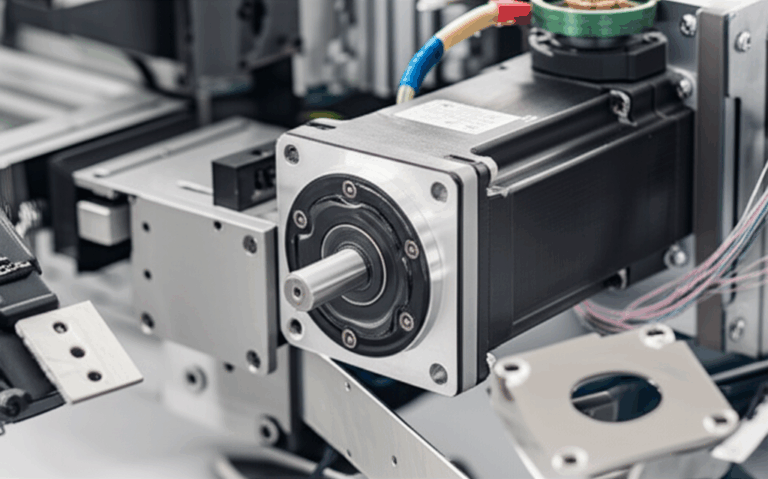
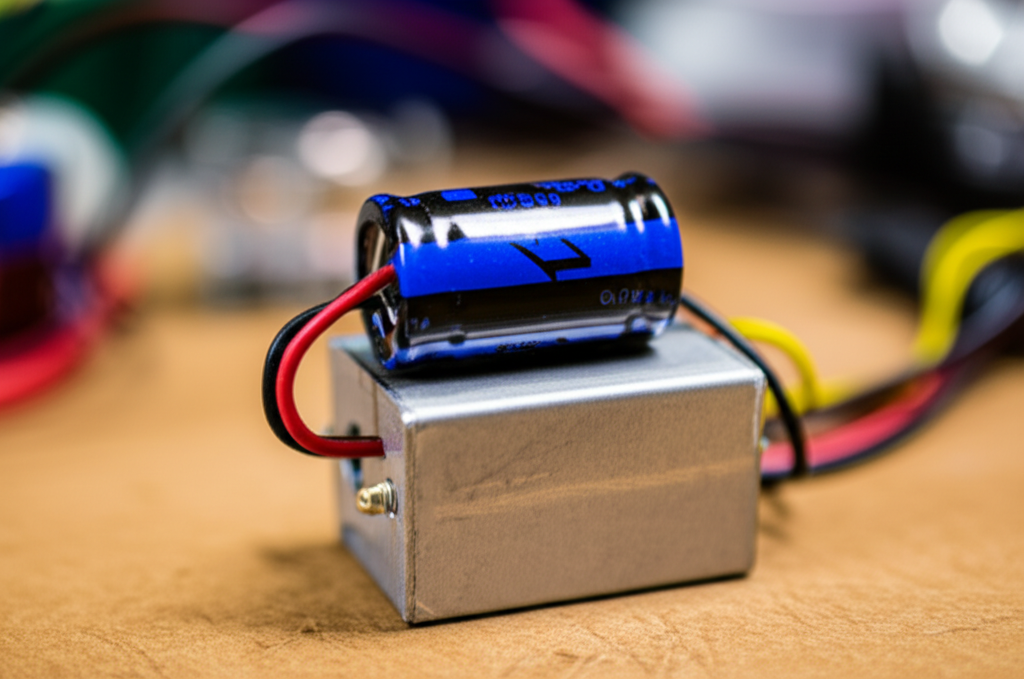
This is where the capacitor comes in. A capacitor is an electrical component that stores and releases electrical energy. For a motor it does something magical. It takes the single-phase power and creates a second, out-of-sync phase. This is called a phase shift or an electrical current phase shift. Now instead of one pulsing force you have two. This creates a rotating magnetic field inside the motor’s stator that can push the rotor and get it to spin. Without this little trick, the motor would just sit there and hum, getting hot and doing nothing. Understanding this basic motor principle is key to grasping why this component is so vital.
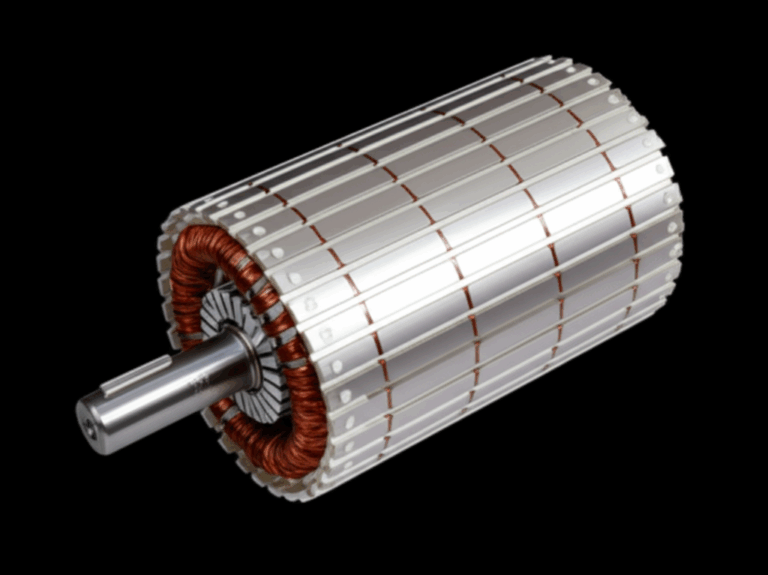
The capacitor function motor relationship is all about creating that initial rotational force called torque. It’s the “one-two punch” the motor needs to overcome being still and start doing its job whether it’s in a well pump or a refrigerator. This is the core of the capacitor motor operation principle. The design of the motor’s internal parts such as the quality of the stator core lamination also plays a huge role in its overall performance and efficiency.
What is the Start Capacitor’s Job?
The motor start capacitor is the “big shove” I was talking about. Its one and only job is to give the motor a powerful kick to get it started. It’s built for a short burst of very high power. This gives the motor a huge amount of starting torque, which is especially important for machines that have a heavy load to move right from the start like an air conditioner or an air compressor. Imagine trying to turn the fan blades of a big AC unit with your hand. It takes some muscle! The start capacitor provides that muscle electrically.
A start capacitor is connected to an extra coil in the motor called the auxiliary winding or start winding. It creates that big capacitor phase shift motor effect for just a few seconds. Once the motor gets up to about 75% of its full speed, a device called a centrifugal switch or an electronic relay opens up and disconnects the start capacitor from the circuit. Its job is done. If it stayed connected it would overheat and destroy itself and likely the motor winding too. It’s a sprinter not a marathon runner.
Because it’s designed for this short powerful burst the start capacitor has a very high capacitance rating measured in microfarads (MFD or µF). You’ll often see these in a compressor motor capacitor or a well pump motor capacitor. They help manage the high capacitor motor starting current without tripping a circuit breaker. The entire capacitor motor technology behind starting heavy loads relies on this component.
What is the Run Capacitor’s Job?
Now let’s talk about the marathon runner: the motor run capacitor. Unlike its “start” cousin the run capacitor stays in the circuit the whole time the motor is running. Its job isn’t a powerful kick but a steady helping hand. After the motor is up to speed the run capacitor keeps the motor running smoothly and efficiently. You’ll find it in many capacitor motor applications such as a ceiling fan motor capacitor or a furnace motor capacitor.
The run capacitor continues to provide a phase shift to the auxiliary winding but it’s a much smaller and more balanced effect. This continuous action creates a more uniform rotating magnetic field which does several great things. It reduces capacitor motor vibration and capacitor motor noise reduction making the motor quieter. It also helps with improving motor efficiency capacitor performance. By keeping the motor’s electrical fields balanced it lowers the amount of energy the motor wastes as heat. This process is called power factor correction.
A capacitor run type is built differently too. It’s designed for continuous duty so it’s more durable and can handle being on for thousands of hours. It has a much lower motor capacitor mfd rating than a start capacitor. You’ll find these in Permanent Split Capacitor (PSC) motor designs which are very common in HVAC systems, fans, and other devices that need to run quietly and efficiently for long periods. This little part is key to your motor’s long-term capacitor motor health.
How Are Start and Run Capacitors Different?
It’s super important to know the difference between a start capacitor vs run capacitor because you can never swap them. Using the wrong one will quickly destroy the capacitor and could damage your motor. They are built for completely different jobs. One is for a short powerful burst and the other is for long-term efficiency.
Let me break it down for you in a simple table. This will help you see the key differences at a glance. Understanding this is the first step in any capacitor motor troubleshooting.
| Feature | Start Capacitor | Run Capacitor |
|---|---|---|
| Function | Provides high starting torque | Improves running efficiency and power factor |
| Duty Cycle | Intermittent (a few seconds at a time) | Continuous (on the whole time) |
| Capacitance (MFD) | High (e.g., 70-300+ MFD) | Low (e.g., 2-70 MFD) |
| Construction | Often plastic case electrolytic type | Often metal case oil-filled or film type |
| How it’s Used | Disconnected by a centrifugal switch | Stays in the circuit permanently |
| Common Failure | Fails open (just stops working) | Fails shorted or bulges and leaks |
So when you’re looking at a capacitor motor wiring diagram or replacing motor capacitor you need to be sure you have the right one. The motor capacitor ratings explained on the side of the device are your guide. Always match the MFD rating and make sure the motor capacitor voltage rating is the same or slightly higher never lower.
What Does “Power Factor Correction” Mean?
This might sound a bit technical but let me make it simple. Think of a horse pulling a cart. True power is the energy that pulls the cart straight ahead. But if the horse also pulls a bit to the side that side-pulling energy is wasted. That wasted energy is called reactive power. Power factor is simply a measure of how much of the total energy (apparent power) is actually doing useful work. A power factor of 1.0 is perfect meaning no energy is wasted.
Induction motor types are naturally “inductive” which means they create a lot of this wasted reactive power. This isn’t good. It means your home’s electrical system and the power grid have to supply more total power than the motor is actually using. It’s like ordering a large pizza but only eating half of it. The run capacitor performs power factor correction motor duty. It provides its own kind of reactive power (capacitive reactance) that cancels out the motor’s wasted reactive power (inductive reactance).
This brings the motor’s power factor much closer to perfect. The result? The motor draws less current from your wall outlet. This leads to energy savings and lower electricity bills. It also reduces heat in the motor’s windings which is a huge benefit for the capacitor motor lifespan. The process reduces strain on the electrical circuit and improves overall power quality by reducing things like capacitor motor harmonics. It’s one of the main capacitor motor benefits.
What Happens When a Motor Capacitor Fails?
When a capacitor gives up it can cause a real headache. The bad capacitor motor symptoms are usually pretty clear if you know what to look for. Recognizing a motor problem early can save you from a much bigger repair bill down the road. This is one of the most common reasons for capacitor motor failure reasons.
If a start capacitor fails the motor will try to start but can’t. You will likely hear a loud capacitor motor hum. The motor gets power but it doesn’t have that initial kick to get it spinning. It will just sit there humming and getting very hot which can trigger its thermal protection or even burn out the windings if left on too long. This is a classic sign you see with a bad air conditioner motor capacitor or refrigerator motor capacitor. The machine has power but the motor won’t turn.
If a run capacitor fails the symptoms can be a bit different. The motor might start but it will run poorly. It may start slowly seem weak have low torque and draw too much current. This will cause capacitor motor overheating. It might also be louder than usual. Because it’s not running efficiently your capacitor motor power consumption will go up. This puts a lot of stress on the motor and can cause it to fail much sooner. The general rule is that a failed run capacitor will lead to a failed motor if you don’t replace it.
Can I Check or Replace a Capacitor Myself?
For the handy DIY person doing your own capacitor motor testing or replacement is possible but you must be extremely careful. Capacitor motor safety is number one. A capacitor can hold a dangerous electrical charge even after the power is turned off. Before you touch anything you MUST perform a capacitor motor discharge. You can do this by carefully shorting the terminals with an insulated screwdriver. If you don’t you could get a nasty shock.
Once it’s safely discharged you can test it. Many modern multimeters have a setting to test capacitance (MFD). If you test the capacitor and its reading is far below what’s printed on the side it’s bad. Look for physical signs of failure too. A capacitor that is bulging on top leaking oily fluid or has a burnt smell is definitely bad. This is a very common capacitor motor troubleshooting step.
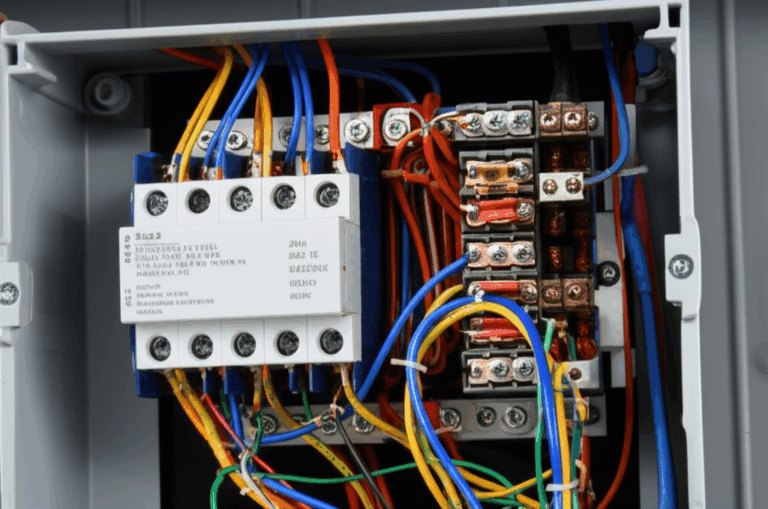
If you need a replacement you can find them at a capacitor motor repair shop or from motor capacitor suppliers online. The cost of motor capacitor parts is usually very low often less than twenty dollars. Just remember to get the exact same MFD rating and the same or higher voltage rating. Following a capacitor motor wiring diagram is usually simple as there are often only two or four terminals. However if you are not 100% comfortable with electrical work it’s always best to call a capacitor motor professional.
What Kinds of Motors Use Capacitors?
Capacitors are almost exclusively used in single-phase induction motors. These are the workhorses found in countless home appliances and light industrial equipment. You won’t typically find them on a three-phase motor for starting purposes because three-phase power naturally creates a rotating magnetic field on its own. However large three-phase motors in industrial settings might use banks of capacitors for power factor correction.
There are a few main types of single-phase motors that rely heavily on capacitors. The capacitor-start motor uses only a start capacitor for high starting torque. The capacitor-run motor uses only a run capacitor for good efficiency. The most common type you’ll see is the Permanent Split Capacitor (PSC) motor. This motor uses only a run capacitor for both starting and running. It doesn’t have a lot of starting torque but it’s cheap simple and reliable making it perfect for fans and blowers.
You also have the capacitor-start capacitor-run motor which is the best of both worlds. It uses both a start capacitor and a run capacitor. This gives it very high starting torque and great running efficiency. You’ll find these powerful motors in tougher applications like large pumps and compressors. Each capacitor motor design is a trade-off between cost torque and efficiency tailored for a specific job from a washing machine motor capacitor to a large industrial fan. The internal design of these motors including the shape of the rotor core lamination is optimized for its specific application.
Why is a Healthy Capacitor So Important?
By now you can probably see just how important this little part is. A capacitor isn’t just an add-on; it’s a critical component for the proper capacitor motor operation. It’s the key that unlocks a single-phase motor’s ability to start work and run efficiently. A healthy capacitor ensures your motor has the starting power it needs and runs smoothly without wasting energy.
Keeping an eye on your motor’s capacitor is a key part of capacitor motor maintenance. A failing capacitor puts tremendous stress on the motor’s windings and the rotor core lamination. This leads to overheating wasted electricity and eventually a completely burned-out motor. A motor replacement can cost hundreds of dollars while a capacitor replacement is often a quick and cheap fix. It’s a perfect example of how a little preventive care can save you a lot of money and trouble.
From capacitor motor energy efficiency to protecting the motor from damage the capacitor’s role is huge. It proves that sometimes the smallest parts have the biggest jobs. The next time you hear a motor hum to life you’ll know that a capacitor is likely in there working its magic providing the boost and balance needed for a long and efficient life. Understanding this component is the first step in diagnosing many common motor issues.
Key Takeaways to Remember:
- Capacitors give single-phase motors the “push” they need to start spinning. They do this by creating a second electrical phase which generates a rotating magnetic field.
- Start capacitors provide a powerful short-term kick. They have a high MFD rating and are used to start heavy loads like compressors.
- Run capacitors provide continuous efficiency. They have a low MFD rating and stay on to correct the power factor making the motor run smoother quieter and with less energy.
- A humming motor that won’t start is the classic sign of a failed start capacitor. A motor that runs hot weak or loud often points to a failed run capacitor.
- Always be safe! Capacitors can hold a dangerous charge. They must be safely discharged before you handle them for testing or replacement.
- Replacing a capacitor is often a cheap and easy fix that can save a motor from permanent damage and save you from a costly repair bill.