What Does a Seized Motor Mean? Understanding Causes, Symptoms, and Solutions
Of course. Here is the comprehensive, long-form article you requested.
I’ll never forget the sound. It wasn’t a bang or a pop. It was a violent, grinding shudder that shook the whole car, followed by an abrupt and final silence. One moment I was cruising down the highway, and the next, I was coasting to the shoulder with a dead engine and a sinking feeling in my gut. The diagnosis from the tow truck driver was grim and immediate: “Sounds like your motor’s seized.”
At the time, I had no idea what that really meant. I just knew it was bad. Catastrophically bad. If you’re reading this, you might be in a similar situation—staring at a silent car, trying to decipher a mechanic’s warning, or just wanting to understand one of the worst things that can happen to an engine.
I’ve learned a lot since that day, both from that painful experience and many years of working on cars. A seized motor isn’t just a breakdown; it’s a full-blown mechanical heart attack for your vehicle. But understanding what it is, why it happens, and what your options are can turn panic into a clear plan.
Table of Contents
- What Exactly is a Seized Motor? (The Mechanical Breakdown)
- Common Causes: Why Motors Seize
- Signs & Symptoms: How to Tell if Your Motor is Seized
- Can a Seized Motor Be Fixed? Your Options & Their Realities
- Cost Implications: Repairing or Replacing a Seized Motor
- Prevention is Key: Avoiding Motor Seizure
- Buying or Selling a Car with a Seized Motor
- Conclusion: The Gravity of a Seized Motor
What Exactly is a Seized Motor? (The Mechanical Breakdown)
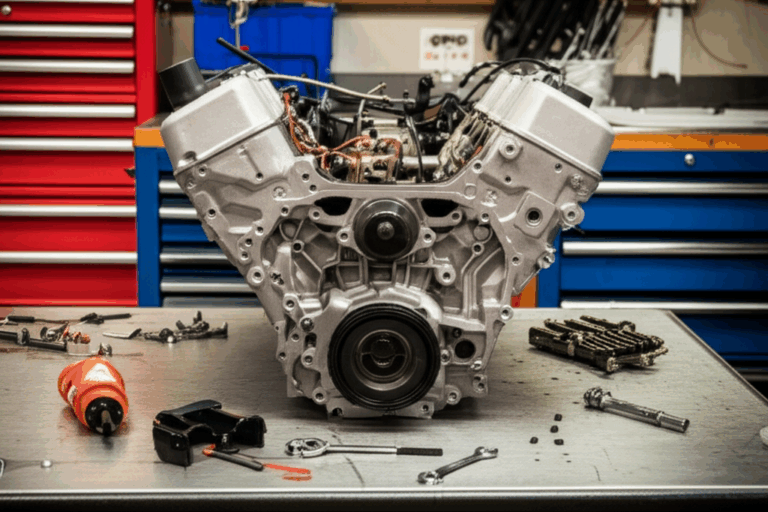
Let’s get right to it. A “seized motor” or “locked-up engine” means the internal rotating parts of your engine, which are supposed to move freely thousands of times per minute, have stopped. They are physically stuck. Welded together. They cannot turn, no matter how hard the starter tries to crank them.
Think of it like a zipper on a jacket. When the teeth are clean and lubricated, it glides effortlessly. But if you get sand and grime in there, it jams. A seized engine is that, but on a much more extreme and permanent scale.
The Core Definition
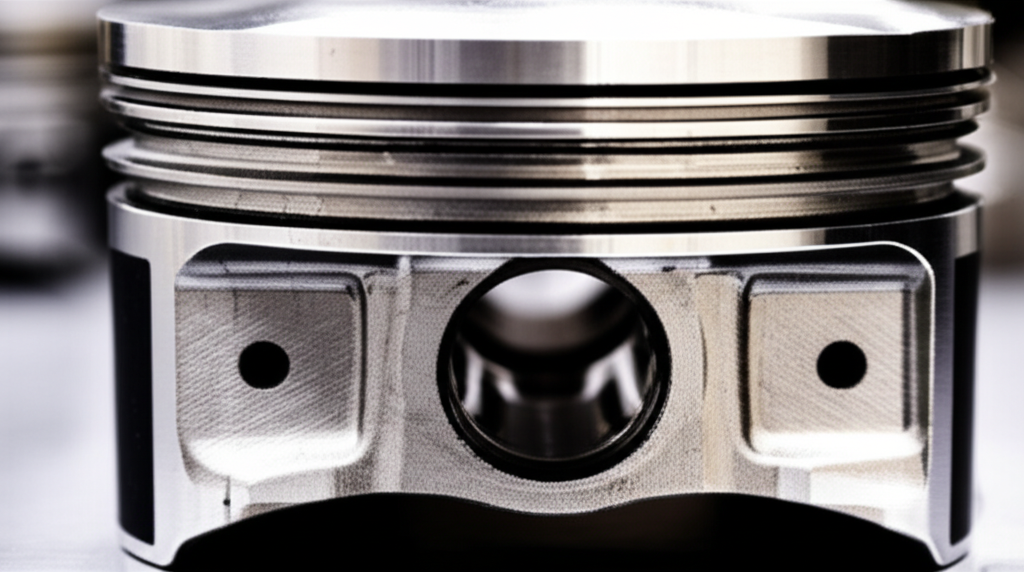
Inside your engine, you have pistons moving up and down inside cylinders, all connected to a crankshaft that spins. These parts move at incredible speeds and are separated by a micro-thin layer of engine oil. When that oil disappears or fails, you get direct, metal-on-metal contact. The friction generates an insane amount of heat, causing the metal components—like a piston and its cylinder wall, or the crankshaft and its bearings—to literally melt and fuse together.
This catastrophic failure locks the engine solid. The fundamental motor principle of converting controlled explosions into rotation comes to a screeching halt.
The Mechanical Impact
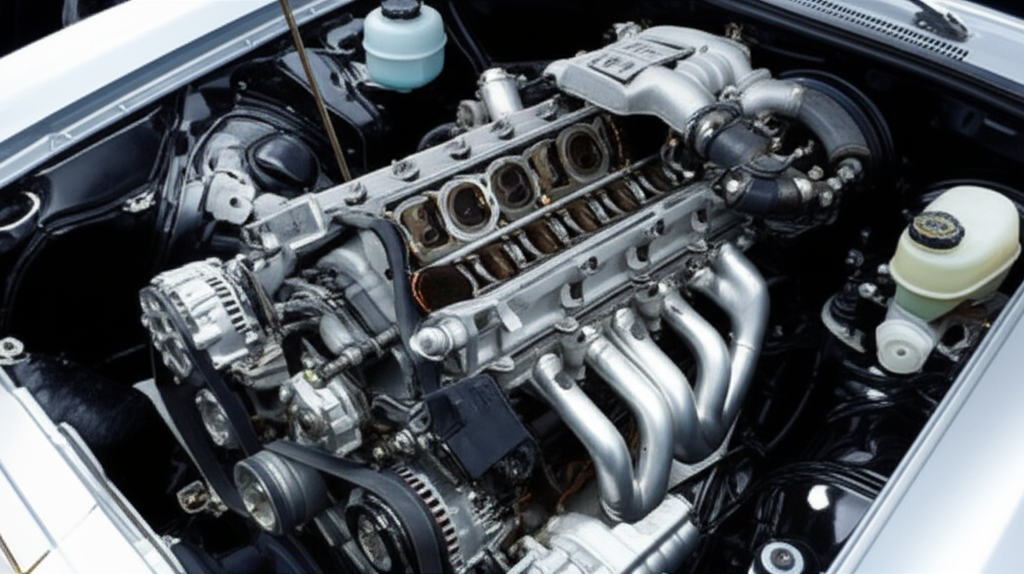
Once seized, the engine is immobilized. The crankshaft can’t rotate, the pistons can’t move, and the car isn’t going anywhere under its own power. It’s not like a dead battery or a bad alternator. This is fatal engine damage, the kind of failure that represents a major crossroads for any vehicle owner.
Common Causes: Why Motors Seize
An engine doesn’t just decide to seize one day. It’s the end result of a critical failure, and I’ve found it almost always comes down to one of these culprits.
1. Severe Lack of Oil/Lubrication
This is the big one. It’s the number one cause of engine seizure, and it’s often the most preventable. Engine oil is the lifeblood of your motor. It doesn’t just lubricate; it cools and cleans internal parts. When it’s gone, disaster is imminent.
- How it happens: You might have a serious oil leak you didn’t notice, the oil pump might fail, or maybe the oil changes were neglected for far too long, turning the oil into useless sludge. I once saw a car where the owner hadn’t changed the oil in over 30,000 miles. What came out of the oil pan wasn’t liquid; it was a chunky, tar-like goo.
- The consequence: Without oil, the bearings that support the crankshaft and connecting rods are the first to go. They overheat, melt, and grab onto the spinning parts. At the same time, the pistons scrape against the cylinder walls without lubrication, scoring them deeply before fusing in place. It’s a quick and brutal end.
2. Overheating
If oil is the engine’s blood, coolant is its sweat. The cooling system’s job is to keep the engine from melting under the intense heat of combustion. When it fails, temperatures skyrocket.
- How it happens: A coolant leak from a bad hose or a cracked radiator is a common trigger. Other causes include a faulty thermostat that’s stuck closed, a broken water pump that can’t circulate the coolant, or a fan that isn’t kicking on.
- The consequence: Extreme heat causes metal parts to expand beyond their normal tolerances. The aluminum pistons can expand so much they stick to the iron cylinder walls. The cylinder head can warp, blowing the head gasket and causing a total loss of compression. Overheating also thins out the engine oil, destroying its ability to lubricate.
3. Hydro-Lock (Water/Fluid Ingestion)
This one is less common but just as destructive. “Hydro-lock” means a non-compressible fluid, usually water, has entered the engine’s combustion chamber.
- How it happens: The most dramatic cause is driving through deep water, where the engine’s air intake sucks in water instead of air. It can also happen internally if a head gasket fails catastrophically, allowing coolant to flood a cylinder.
- The consequence: Your engine is designed to compress a mixture of air and fuel. It cannot compress a liquid. When the piston tries to move up on its compression stroke and meets a cylinder full of water, it stops dead. The force is so immense it can bend connecting rods, crack pistons, or even fracture the engine block itself.
4. Internal Component Failure
Sometimes, a single part fails so spectacularly that it takes the whole engine with it. This is arguably the most severe type of motor problem because it often happens without much warning.
- How it happens: The classic example is a timing belt or chain snapping. When this happens, the synchronization between the pistons and the valves is lost. The pistons slam into the valves, turning the inside of your engine into a metal salad. A connecting rod could also break from stress, punching a hole right through the side of the engine block.
- The consequence: Shattered components fly around inside the engine, jamming everything up and causing an instantaneous seizure. There’s no coming back from this.
5. Rust and Corrosion (After Prolonged Storage)
Have you ever seen an old “barn find” car that’s been sitting for 30 years? There’s a good chance its engine is seized.
- How it happens: Over many years, moisture can get inside the cylinders through open valves. This causes the iron piston rings to rust solidly to the iron cylinder walls.
- The consequence: The engine is effectively rusted shut. Sometimes, with special penetrating oils and a lot of patience, these engines can be broken free. More often than not, however, they require a complete teardown and rebuild.
Signs & Symptoms: How to Tell if Your Motor is Seized
So how do you know if you’re dealing with a seized motor versus something simpler, like a dead battery? In my experience, the signs are pretty distinct and alarming.
A. Engine Won’t Turn Over or Crank
This is the most common symptom. You turn the key, and… nothing. Or, more accurately, you hear a single, solid “CLUNK” or a “CLICK.” This is the sound of the starter motor’s gear engaging the engine’s flywheel but being unable to turn it. A dead battery will usually produce a rapid clicking sound or a slow, weak “rrr-rrr-rrr” cranking noise. A seized engine gives you a hard stop.
B. Engine Locks Up While Driving
This is what happened to me. It’s the most dramatic and dangerous symptom. You’ll be driving along, and the car will suddenly and violently decelerate as if you slammed on the brakes. This is often preceded by loud knocking or grinding noises, a cloud of smoke from the exhaust, and a burning smell. The engine stops, and all the lights on your dashboard will likely light up like a Christmas tree.
C. You Can’t Turn the Engine by Hand
For the more mechanically inclined, this is the definitive test. If you can get a big socket and a breaker bar on the main crankshaft bolt at the front of the engine, you should be able to turn it clockwise (with the spark plugs removed to release compression). If it doesn’t budge—and I mean it feels like it’s welded solid—then it’s seized.
D. Smoke and Burning Smells
A seizure event generates incredible heat and friction. It’s common to see smoke pouring from under the hood or out of the exhaust pipe right as it happens. You might also smell burning oil or even hot, scorched metal.
Can a Seized Motor Be Fixed? Your Options & Their Realities
This is the million-dollar question, isn’t it? The short answer is: maybe, but it’s rarely cheap or easy. When a client asks me this, I lay out three realistic paths.
Option 1: Rebuild the Engine (The Major Surgery)
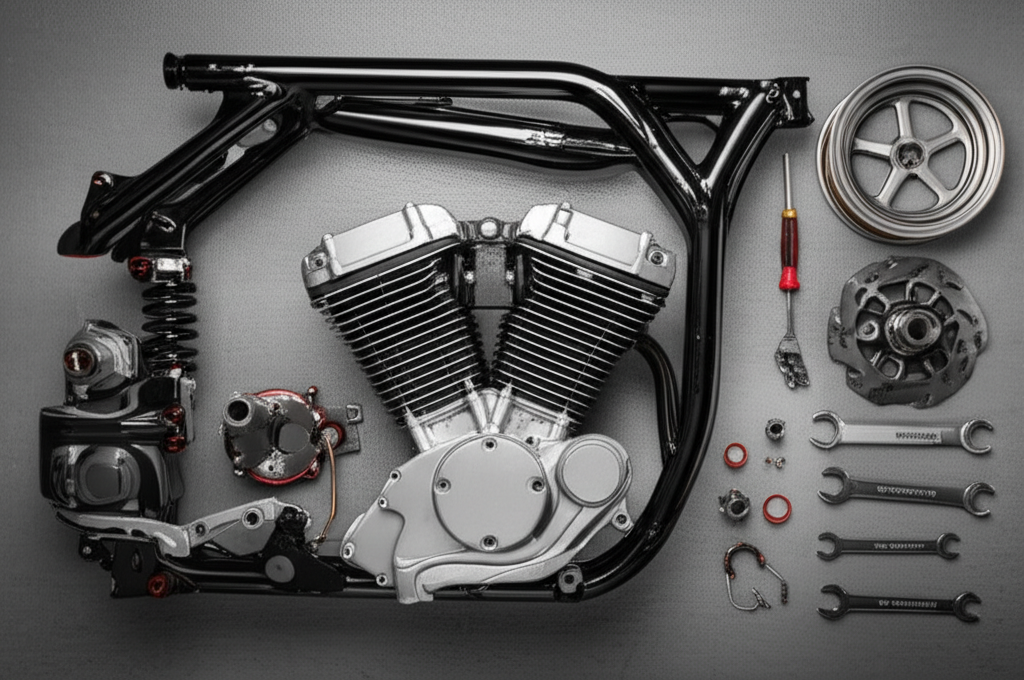
- What it involves: This is a complete engine disassembly. A mechanic takes the entire engine apart, piece by piece, on a workbench. The damaged parts (pistons, bearings, rods, crankshaft) are replaced. The engine block and cylinder head are sent to a machine shop to be cleaned, measured, and resurfaced. It’s an incredibly labor-intensive process.
- When it’s viable: A rebuild is only really an option if the main engine block and cylinder head haven’t been cracked or irreparably damaged. If a rod has punched a hole in the block, for example, a rebuild is off the table.
- The reality: Rebuilding is expensive. The cost in labor and machine shop work can often exceed the price of simply replacing the entire engine. It’s usually reserved for classic cars, rare engines, or high-performance applications where preserving the original block is important.
Option 2: Replace the Engine (The Heart Transplant)
- What it involves: This is the most common solution. You remove the entire seized engine and replace it with another one. You have a few choices for the replacement:
- Used Engine: Pulled from a wrecked vehicle at a junkyard. It’s the cheapest option but also the riskiest. It might have high mileage or unknown issues.
- Remanufactured/Rebuilt Engine: An engine that has been professionally rebuilt to factory specs. It’s more expensive than a used one but typically comes with a warranty.
- New Crate Engine: A brand-new engine directly from the vehicle manufacturer. This is the most expensive option by far and is usually only practical for newer vehicles still under warranty.
- The reality: For most daily-driver cars, an engine swap with a reliable used or remanufactured engine is the most cost-effective way to get back on the road.
Option 3: Scrap the Vehicle (The Tough Decision)
- What it involves: Sometimes, the cost of the repair simply isn’t worth it. If the price of an engine replacement is more than the total value of the car, it might be time to let it go.
- When it’s the right choice: If you have an older, high-mileage car that has other issues (bad transmission, rusty frame, etc.), sinking thousands of dollars into an engine replacement is often a poor investment. You can sell the car to a junkyard for its scrap metal value or sell it “as-is” to a hobbyist who might want it for parts.
- The reality: It’s a tough pill to swallow, but sometimes it’s the smartest financial move. It frees you up to put that repair money toward a more reliable vehicle.
Cost Implications: Repairing or Replacing a Seized Motor
Let’s talk numbers. Be prepared, because they aren’t small. These are general estimates based on industry averages in the US, and your costs will vary wildly based on your car’s make and model, your location, and the shop’s labor rates.
- Engine Rebuild Cost: Expect to pay anywhere from $3,000 to $8,000+. The final price depends entirely on how many internal parts need to be replaced and the extent of the machine shop work required.
- Used Engine Swap Cost: This is often the budget-friendly route, typically running from $2,000 to $6,000. This includes the price of the used engine itself ($500 – $2,500+) plus the many hours of labor to perform the swap.
- Remanufactured Engine Swap Cost: A more reliable but pricier option, this can range from $4,000 to $10,000+. You’re paying a premium for a professionally rebuilt engine that often comes with a solid warranty, which can be worth the peace of mind.
A vehicle with a seized engine loses a massive chunk of its value, often 60-80%. It immediately becomes a “parts car” or a “mechanic’s special,” and its value is determined by what someone is willing to pay for the non-engine components.
Prevention is Key: Avoiding Motor Seizure
After going through this ordeal once, I became a fanatic about preventative maintenance. You can’t always prevent a random part from failing, but you can absolutely prevent the most common causes of engine seizure. It’s not complicated, I promise.
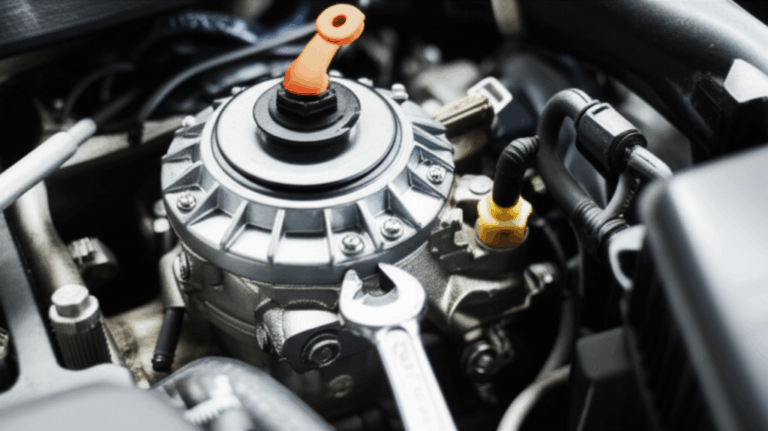
- Check Your Oil Religiously: This is non-negotiable. Learn how to check your dipstick and do it at least once a month. Make sure the level is between the “add” and “full” marks.
- Get Regular Oil Changes: Follow your car manufacturer’s recommended service intervals. Using the correct type of oil is also critical. An oil change that costs $50-$100 is the cheapest insurance you can buy against a $5,000 engine replacement.
- Watch Your Gauges: That temperature gauge on your dashboard is there for a reason. If you ever see it creeping into the red, pull over immediately and shut off the engine. Don’t try to “make it home.”
- Address Warning Lights ASAP: The “Check Engine” light, the oil pressure light (which often looks like a little genie lamp), or the temperature light are your car’s way of screaming for help. Ignoring them is like ignoring a fire alarm.
- Listen to Your Car: Unusual noises like tapping, knocking (a deep “thud-thud-thud” sound known as rod knock), or grinding are early warnings of internal engine damage. Get them checked out before they become catastrophic.
- Avoid Deep Water: If you’re not sure how deep a flooded road is, don’t risk it. It’s not worth hydro-locking your engine.
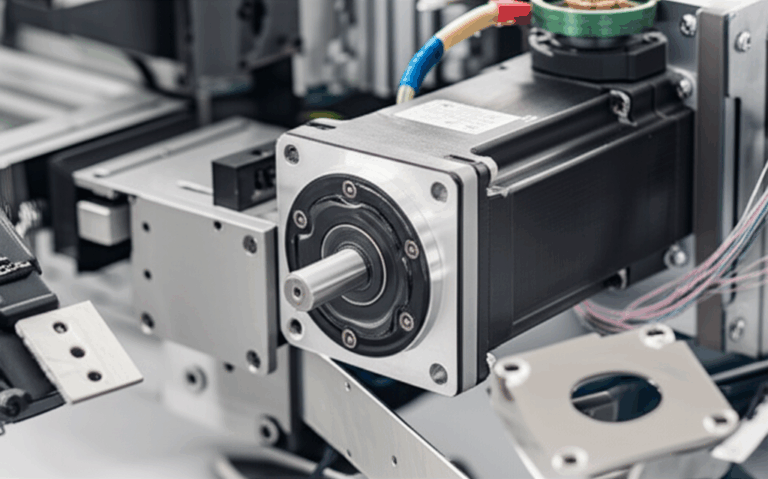
Ultimately, the health of an engine comes down to the integrity of its internal components. In any motor, the quality of parts like the stator core lamination is critical for performance and longevity, and the same principle applies to the bearings, rings, and rods in your car’s engine.
Buying or Selling a Car with a Seized Motor
Navigating the used car market with a seized engine requires a special kind of caution.
From a Buyer’s Perspective
If you’re thinking of buying a car with a seized engine, you need to go in with your eyes wide open. These cars are often advertised at tempting, rock-bottom prices. But you’re not buying a car; you’re buying a project. Unless you are a skilled mechanic with the tools, space, and time to do an engine swap yourself, this is almost always a money pit. You must factor in the full cost of a replacement engine and labor before you even consider making an offer.
From a Seller’s Perspective
If you’re selling, transparency is everything. Be upfront that the engine is seized. Don’t say “needs work” or “won’t start.” State the problem clearly. You have to accept that the value of your car has plummeted. You’re selling it to someone who is either going to part it out or take on a massive repair job. Price it accordingly, and you’ll have a much easier time finding a buyer.
Conclusion: The Gravity of a Seized Motor
A seized motor is one of the most serious and expensive problems your vehicle can have. It’s a true catastrophic failure that stops your car dead in its tracks. As I learned that day on the side of the highway, it’s a heart-stopping moment that forces you to make a major decision about your vehicle’s future.
But it’s not a mystery. It’s caused by a failure of lubrication, cooling, or a critical mechanical part. The signs are stark and unambiguous. And while the solutions are costly—ranging from an intensive rebuild to a full replacement or even scrapping the car—they are clear.
More importantly, most seizures are preventable. By taking care of your car with regular oil checks, timely maintenance, and paying attention to its warning signs, you can ensure the heart of your vehicle keeps beating strong for years and miles to come. That’s the biggest lesson I took away from my own experience, and it’s the one I hope you remember most.