What is a Motorized Scooter? Your Comprehensive Guide to Electric, Gas, and Mobility Scooters
Ever found yourself in a bustling city, watching someone zip past the gridlocked traffic on a sleek, two-wheeled device and thought, “What exactly is that thing?” You’re not alone. The term “motorized scooter” has exploded in recent years, but it covers a surprisingly diverse world of vehicles. If you’ve ever felt a bit lost trying to figure out the difference between an e-scooter, a moped, and a mobility scooter, you’re in the right place.
This isn’t just a simple dictionary definition. We’re going to dive deep, breaking down everything you need to know about these versatile machines. From the electric kickscooters you see on every street corner to the robust gas-powered models and life-changing mobility aids, this guide will demystify the motorized scooter and empower you with a clear understanding of what they are, how they work, and their place in our modern world.
What We’ll Cover
- What Exactly is a Motorized Scooter? The core definition, key components, and fundamental working principles.
- Types of Motorized Scooters: A detailed breakdown of electric, gas-powered, and mobility scooters.
- Common Uses and Applications: From urban commuting to enhancing personal freedom.
- Benefits and Drawbacks: An honest look at the pros and cons of owning and riding a scooter.
- Legal & Safety Considerations: Navigating the complex world of regulations, licenses, and safe riding.
- How to Choose the Right Scooter: Key questions to ask yourself before you decide.
What Exactly is a Motorized Scooter?
At its heart, a motorized scooter is a two, three, or four-wheeled personal vehicle with a floorboard or deck for the rider’s feet and a motor for propulsion. Unlike a motorcycle, you stand or sit with your feet on a platform, not straddling the vehicle. That’s the simple answer.
But the real story is in the details. Think of it less as a single product and more as a category of personal electric vehicles that has branched out to solve different problems for different people. To truly get it, let’s look under the hood—or, in this case, the deck.
The Key Components: What Makes It Go?
Every motorized scooter, regardless of its type, shares a few core components that work together to provide a smooth ride.
How It Works: The Simple Magic of Propulsion
Understanding the basic motor principle behind these machines makes them far less mysterious.
- For an Electric Scooter: It’s a clean and simple process. You press the throttle. The controller reads that signal and draws power from the lithium-ion battery. This electricity flows to the motor, creating a magnetic field that forces the wheel to spin, propelling you forward. It’s quiet, instant, and emission-free.
- For a Gas Scooter: It’s a more familiar process for anyone who’s used a lawnmower or gas-powered generator. You start the internal combustion engine. Squeezing the throttle gives the engine more gas, the combustion process powers a drive train (often a belt drive), and that spins the rear wheel. It’s louder and produces exhaust but often offers greater power and range.
Types of Motorized Scooters: A Detailed Breakdown
This is where things get interesting. The “motorized scooter” family is broad, and each branch serves a distinct purpose.
1. Electric Scooters (e-Scooters)
When most people say “scooter” today, this is what they mean. E-scooters have dominated the micro-mobility landscape thanks to their convenience, eco-friendliness, and sheer fun.
- Characteristics: They are defined by their quiet, battery-powered operation. With zero direct emissions, they’ve become a favorite for urban commuting and reducing a city’s carbon footprint. In fact, studies show a 60-70% reduction in CO2 per mile compared to a car, even factoring in manufacturing and charging.
- Sub-types:
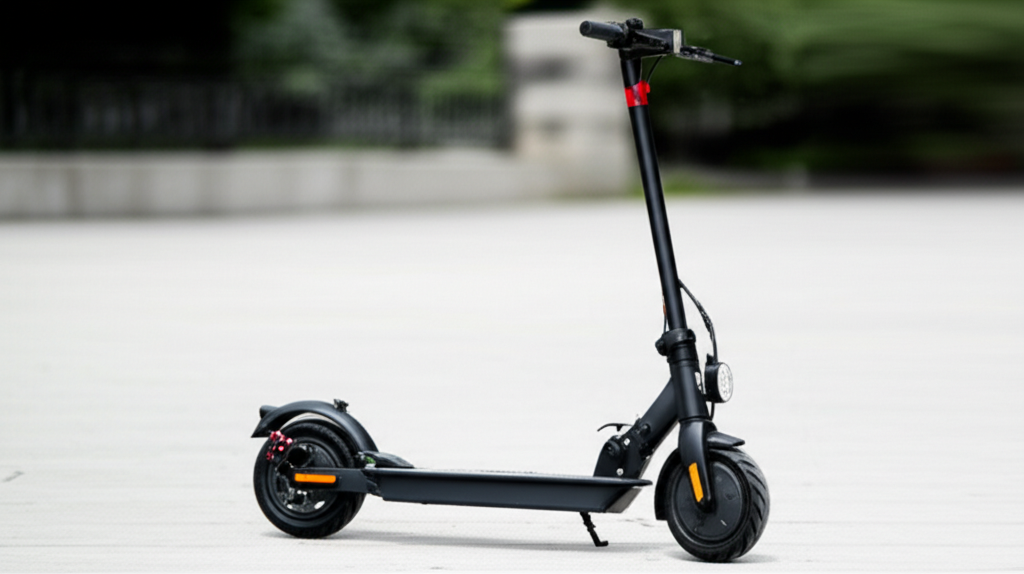
- Stand-up Electric Scooters: This is the classic “kick-scooter” style, now motorized. They are lightweight, often foldable, and designed for that “last-mile” commute—from the subway station to the office, for example. Brands like Xiaomi and Segway are titans in this space.
- Seated Electric Scooters: These are larger, offering a seat for comfort on longer rides. They blur the line with mopeds but are typically lighter and less powerful. They’re great for those who want the convenience of an e-scooter without having to stand for the entire journey.
- Foldable Electric Scooters: Portability is their main selling point. These models are engineered to collapse into a compact form, making them easy to carry onto public transport or store under a desk.
2. Gas-Powered Scooters
Before the electric revolution, gas scooters were the go-to choice. Think of the classic Vespa zipping through the streets of Rome. They are still a major category, valued for their power and range.
- Characteristics: Gas scooters are generally faster and can travel much farther on a single tank of fuel than an e-scooter can on a charge. They are, however, louder, produce emissions, and require more maintenance (oil changes, engine checks).
- Sub-types:
- Small Engine Scooters (under 50cc): In many regions, these are legally classified differently than motorcycles. With top speeds around 30-40 mph, they often don’t require a special motorcycle license, making them an accessible entry point.
- Larger Engine Scooters (50cc and up): These are more powerful machines, legally classified as mopeds or motorcycles. They require a license and registration and are capable of highway speeds, making them suitable for longer commutes.
3. Mobility Scooters
Designed not for recreation or commuting but for empowerment, mobility scooters are a critical personal mobility device for individuals with limited mobility.
- Characteristics: Stability and safety are paramount. They almost always have three or four wheels, a low top speed (typically under 10 mph), and a comfortable, often swiveling, captain’s chair. They are a lifeline, providing independence to the elderly and disabled. As a testament to their impact, surveys from groups like the National Council on Aging show that over 85% of users report a significant improvement in their ability to participate in daily life.
- Key Features: You’ll find features here you won’t see elsewhere: armrests, large storage baskets, headlights for visibility, and batteries designed for reliability and extended daily use rather than high performance.
Distinctions: Clearing Up the Confusion
- Moped vs. Motorized Scooter: A moped is a legal classification. It typically has a small engine (under 50cc) and a top speed capped around 30 mph. While many gas scooters fit this description, the term “moped” historically referred to a bicycle-like vehicle with pedals (motor + pedal). Today, the lines are blurry, but a key difference is that you straddle a moped like a bike, whereas you stand on a scooter’s deck.
- Motorcycle vs. Motorized Scooter: The key difference is the riding position and engine size. You straddle a motorcycle and operate it with foot controls. A scooter has a step-through design and a platform for your feet. Motorcycles also have much larger, more powerful engines and are built for high-speed, long-distance travel.
- E-Bike vs. Motorized Scooter: An e-bike is a bicycle with an integrated electric motor that assists with pedaling (pedal-assist) or has a throttle. It retains the functionality of a bicycle. An e-scooter has no pedals and is propelled entirely by its motor.
Common Uses and Applications
Motorized scooters aren’t just a novelty; they are practical tools used in countless ways.
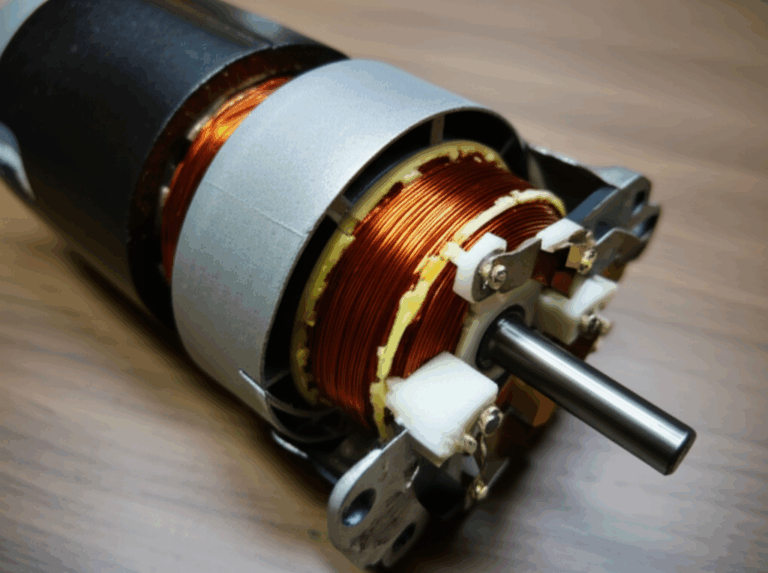
- Urban Commuting: This is the number one use case for electric scooters. They solve the “last-mile problem” perfectly, turning a 20-minute walk into a 5-minute ride. Data from NACTO shows that about 60% of shared e-scooter trips are for commuting or running errands, replacing short car trips and helping to reduce traffic congestion. The internal design of these scooters often involves complex motor core laminations to maximize efficiency for these short, frequent trips.
- Recreational Riding: Let’s be honest—they’re incredibly fun. Exploring a park, cruising along a boardwalk, or simply enjoying a sunny day is a huge appeal.
- Campus Navigation: For students and faculty on sprawling university or corporate campuses, scooters are a game-changer, making it easy to get between buildings quickly.
- Mobility Assistance: As mentioned, mobility scooters provide essential freedom and independence, enabling users to go shopping, visit friends, and engage with their communities.
- Shared Services: Companies like Lime, Bird, and Voi have deployed fleets of rental e-scooters in hundreds of cities worldwide. This allows people to use a scooter on demand without the cost of ownership, further cementing its role in the modern urban landscape.
Benefits and Drawbacks of Motorized Scooters
Like any technology, scooters come with a set of pros and cons.
Advantages
Disadvantages
Legal & Safety Considerations
This is arguably the most important section. You can’t just buy a scooter and ride it anywhere.
- Regulations Vary Wildly: There is no single set of rules. Every country, state, and even city can have its own laws regarding motorized scooters. These can dictate age limits, maximum speed (often capped at 15-20 mph), and where you’re allowed to ride (bike lanes, roads, or sidewalks). Always check your local regulations before riding.
- Licensing & Registration: For low-speed electric scooters, a driver’s license is often not required. However, for faster gas-powered scooters that fall into the moped or motorcycle class, you will absolutely need a specific license, registration, and plates.
- Helmet Laws: Regardless of the law, always wear a helmet. Head injuries are the most serious risk associated with scooter accidents. Many jurisdictions have mandatory helmet laws, but even where they don’t, it’s a non-negotiable piece of safety equipment.
- Insurance: While not always legally required for personal e-scooters, it’s highly recommended. A personal liability policy can protect you in case of an accident. For larger, registered scooters, insurance is mandatory.
- Riding Etiquette: Be a good citizen on wheels. Be aware of pedestrians, yield when appropriate, use hand signals, and follow the rules of the road. Don’t weave through traffic or ride on crowded sidewalks. The high-performance motors in many modern scooters, often a type of bldc stator core, can deliver surprising torque, making it crucial to ride predictably and safely.
How to Choose the Right Motorized Scooter
If you’re considering getting one, the “right” scooter depends entirely on your needs. Ask yourself these questions:
The Evolving Role of Motorized Scooters
From a simple definition to a complex ecosystem of vehicles, the motorized scooter has cemented its place in our transportation landscape. It’s more than just a toy; it’s a tool for commuting, a vehicle for recreation, and a key to independence.
As battery technology improves and cities continue to embrace smart, sustainable transit options, the role of the scooter will only grow. It represents a shift toward flexible, efficient, and personal micro-mobility. Whether you’re a city planner, a daily commuter, or someone seeking greater freedom of movement, understanding the world of motorized scooters is no longer optional—it’s essential.