What is a Stroker Motor? Understanding Engine Stroking for More Power
Of course. Here is the comprehensive, long-form article you requested.
Table of Contents
- Introduction: Unlocking Engine Potential
- The Mechanics of a Stroker Motor: How It Works
- Key Components Involved in a Stroker Build
- The Process: Increasing Engine Displacement
- The Impact on Engine Dynamics
- Advantages of a Stroker Motor: The Power Play
- Disadvantages and Challenges of a Stroker Motor: The Trade-offs
- Common Stroker Builds and Applications
- Popular Engine Platforms for Stroker Kits
- Ideal Use Cases
- What to Expect from a Reputable Stroker Kit
- Key Considerations Before Building a Stroker Motor
- Stroker Motor vs. Big Bore: What’s the Difference?
- Conclusion: Is a Stroker Motor Right for You?
Introduction: Unlocking Engine Potential
If you’ve spent any time around car enthusiasts, you’ve probably heard the term “stroker motor” thrown around with a certain reverence. I remember the first time I heard it at a local car meet. Someone pointed to a rumbling classic muscle car and said, “That thing’s got a 383 stroker.” I nodded like I knew what he meant, but honestly, I had no clue. Was it a brand? A type of supercharger?
I went home and dove into research, and what I discovered was the key to unlocking serious, ground-pounding power. It’s a path many of us take in the quest for more power. You start with the easy stuff—intake, exhaust, maybe a tune. But eventually, you hit a wall. You want more, and that’s when you start looking inside the engine.
So, what exactly is a stroker motor?
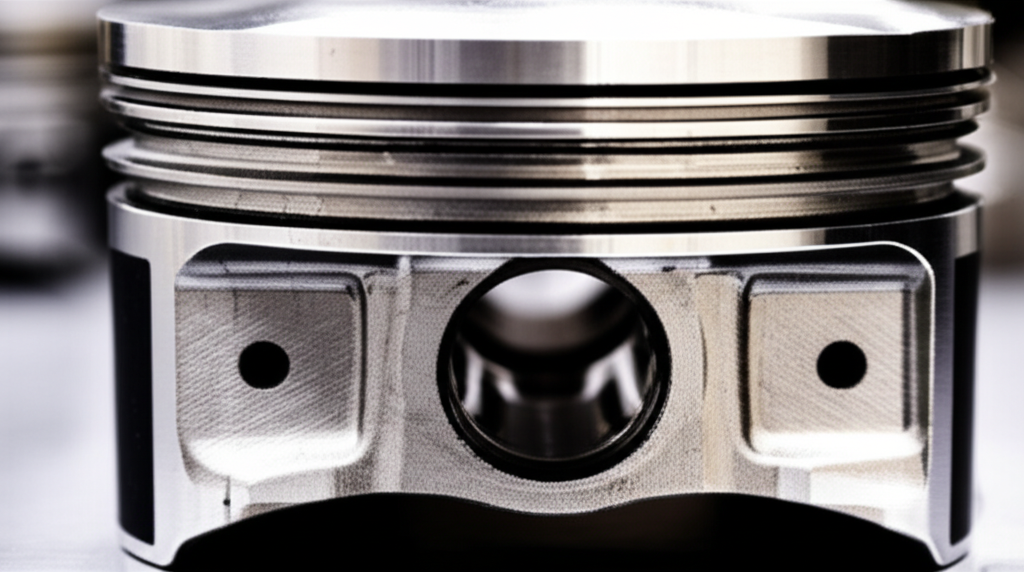
Put simply, a stroker motor is an internal combustion engine that has been modified to increase its displacement by increasing the “stroke” of the crankshaft. Think of it like this: the piston in your engine moves up and down in the cylinder. The total distance it travels from its lowest point to its highest point is the stroke. By making that distance longer, you increase the volume of air and fuel the cylinder can hold.
And why does that matter? Because in the world of engines, there’s a simple rule: there’s no replacement for displacement. More displacement almost always means more horsepower and, more importantly, a huge increase in torque. A stroker motor is one of the most effective ways to make your engine bigger on the inside without changing the block itself.
The Mechanics of a Stroker Motor: How It Works
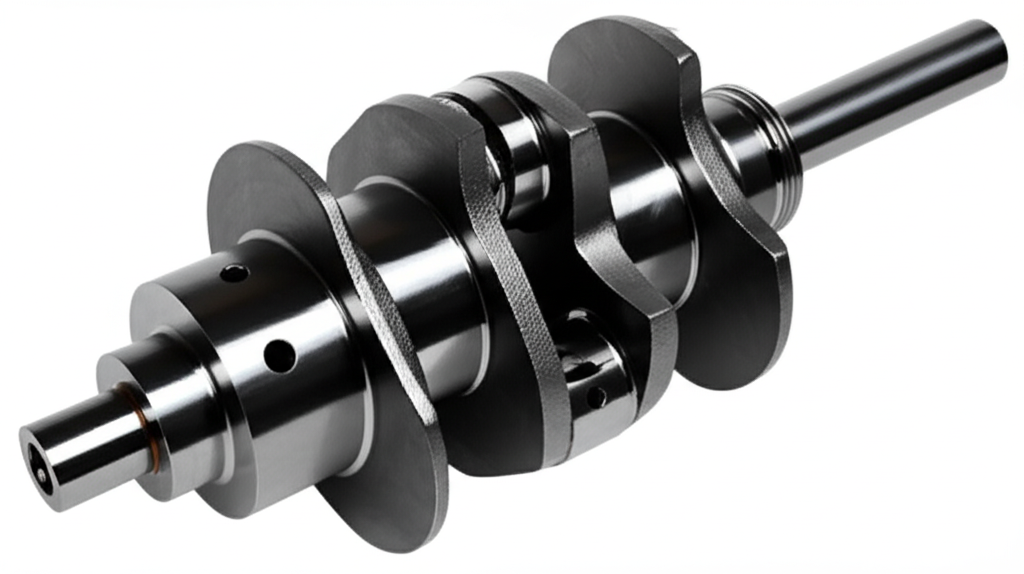
To really get what’s happening, you have to understand the heart of your engine: the rotating assembly. This is the combination of the crankshaft, connecting rods, and pistons. It’s a beautiful mechanical dance. The crankshaft spins, pushing the connecting rods, which in turn move the pistons up and down. The fundamental motor principle of converting rotational motion into linear motion is what makes it all work. Building a stroker is about changing the choreography of that dance to create a bigger result.
Key Components Involved in a Stroker Build
You can’t just wish your engine bigger; you have to swap out some critical parts. This isn’t a simple bolt-on affair.
The Process: Increasing Engine Displacement
Let’s break down how these new parts add up to more power. An engine’s total volume, or displacement, is calculated based on two main things: its “bore” and its “stroke.”
- Bore: This is the diameter of the cylinder. Making it bigger (boring the engine) is one way to increase displacement.
- Stroke: This is the distance the piston travels, which we’ve been talking about.
A stroker build focuses on increasing the stroke. As the crankshaft with its longer throw rotates, it pushes the piston further down into the cylinder and pulls it higher up. This longer path sweeps a greater volume inside the cylinder on each cycle. Multiply that extra volume by the number of cylinders, and you get a significant increase in total engine displacement, measured in cubic inches (CI) or liters. For example, one of the most classic stroker builds turns a 350 cubic inch Small Block Chevy into a 383. That’s a nice jump in size and power potential from just changing the rotating assembly.
The Impact on Engine Dynamics
Changing the stroke isn’t without consequences. It alters the fundamental geometry and behavior of your engine.
- Piston Speed and RPM Limits: Because the piston now has to travel a longer distance in the same amount of time, its average speed increases. This puts more stress on the piston, rings, and connecting rods. This is one reason why stroker motors often have a slightly lower redline (RPM limit) than their standard-stroke counterparts. They make their power lower in the RPM range, so you don’t need to scream them to the moon anyway.
- Rod/Stroke Ratio Considerations: This is a more advanced concept, but it’s important. It’s the ratio of the connecting rod length to the crankshaft stroke length. A lower ratio (from a very long stroke and relatively short rod) can increase side-loading on the cylinder walls, potentially leading to more wear over time. Engine builders spend a lot of time optimizing this ratio for the engine’s intended purpose, whether it’s street performance or all-out drag racing.
- Compression Ratio Adjustments: Since you’re changing the volume inside the cylinder, you’re also changing the compression ratio. This needs to be carefully calculated and adjusted with the right piston design and cylinder heads to match the fuel you plan to use and avoid engine-damaging detonation.
Advantages of a Stroker Motor: The Power Play
Okay, so it’s a complicated process. Why do people go through all the trouble? In my experience, the payoff is absolutely worth it. The feeling you get is unlike any other modification.
- Significant Increase in Torque: This is the number one reason. A stroker motor is a torque factory. The longer stroke gives the crankshaft more leverage, just like using a longer wrench to break a stubborn bolt. This translates into massive low-end and mid-range torque. Your car will feel incredibly responsive, accelerating hard from a stoplight without even trying. It’s the kind of power that pushes you back in your seat.
- Substantial Horsepower Gains: While torque is the headliner, horsepower comes along for the ride. More displacement means you’re burning a bigger air/fuel mixture on every power stroke, which directly translates to a higher horsepower output. It’s not uncommon to see horsepower gains of 50, 100, or even 150+ HP from a well-planned stroker build.
- Improved Engine Response and Drivability: I’ve found that a well-built stroker is a joy to drive on the street. That mountain of torque means you don’t have to constantly downshift to get moving. The power is just there, available whenever you touch the throttle.
- Excellent Foundation for Forced Induction: A “boosted stroker” is a truly awesome combination. The larger displacement helps spool a turbocharger faster, reducing lag, and the stronger forged components often used in stroker kits are perfect for handling the increased cylinder pressures from a turbo or supercharger.
Disadvantages and Challenges of a Stroker Motor: The Trade-offs
Now, it’s not all sunshine and burnouts. Building a stroker motor is a serious undertaking, and I’ve seen people get in over their heads. You need to be aware of the challenges before you start ordering parts.
- Cost: Let’s be blunt: it’s expensive. A quality stroker kit with a forged crank, rods, and pistons can cost thousands of dollars. Then you have to add the cost of machining (balancing, clearancing, boring), assembly by a skilled engine builder, and all the supporting parts like gaskets, bearings, and an oil pump. A realistic budget for a quality street/performance build often starts around $5,000 and can easily climb to $15,000 or more.
- Complexity: This is not a backyard bolt-on project. It requires precision machining and a deep understanding of engine assembly. Clearances are measured in thousandths of an inch. One small mistake in assembly can lead to catastrophic failure. Finding a reputable engine builder is just as important as buying good parts. Any serious engine build involves a lot of moving parts, and any unexpected motor problem can set you back significantly in both time and money.
- Potential Reliability Concerns: A poorly built stroker will not last. The increased piston speeds and stresses on components demand high-quality parts and perfect assembly. If the block isn’t clearanced properly, if the rotating assembly isn’t balanced perfectly, or if the tune is off, you’re asking for trouble. However, a professionally built stroker using top-tier forged components can be just as reliable, if not more so, than a stock engine.
- Reduced High-RPM Capability: As I mentioned, the higher piston speeds generally mean a lower redline. If your goal is a high-revving screamer for a road race car, a stroker might not be the best choice. They excel at making brutal power in the low-to-mid RPM range.
- Cooling and Oiling System Demands: A bigger engine makes more power, which also means it makes more heat. You’ll likely need to upgrade your cooling system with a better radiator and fans to keep temperatures in check. The oiling system is also under more stress, so a high-volume oil pump is usually a must.
Common Stroker Builds and Applications
Over the years, certain engine platforms have become legendary in the stroker world. The aftermarket support for them is huge, making it easier to find proven, reliable kits. The overall motor application dictates which build is right for you, whether it’s for the street, strip, or track.
Popular Engine Platforms for Stroker Kits
- Small Block Chevy (SBC) 350 to 383: This is arguably the most iconic stroker of all time. It takes a standard 350 V8 (5.7L) and strokes it to 383 cubic inches (6.2L). It’s a fantastic way to make a classic muscle car or hot rod an absolute torque monster.
- Small Block Ford (SBF): The 302 (5.0L) Ford can be stroked to 331 or 347 cubic inches, and the 351 Windsor can be pushed to 393, 408, or even 427. These are hugely popular in the Mustang community.
- LS Engine Strokers: The modern GM LS engine family is a stroker’s dream. A 5.7L LS1 can become a 383, a 6.0L truck engine can become a 408, and with an aftermarket block, you can build massive 427, 440, or even 454 cubic inch LS engines that make incredible power.
- Hemi Strokers: Modern Mopar fans can get in on the action, too. The 5.7L and 6.4L Hemi engines respond very well to stroker kits, adding even more punch to Challengers, Chargers, and Ram trucks.
Ideal Use Cases
So, who is a stroker motor for? I’ve seen them used in all sorts of builds, but they really shine in a few key areas:
- Drag Racing and Competition: The instant, off-the-line torque is a massive advantage in drag racing.
- High-Performance Street Cars and Muscle Cars: For a car that is primarily driven on the street, the improved drivability and massive torque make for an incredibly fun ride.
- Custom Engine Swaps and Hot Rods: When you’re building something from scratch, a stroker gives you a powerful, custom-built heart for your project car.
What to Expect from a Reputable Stroker Kit
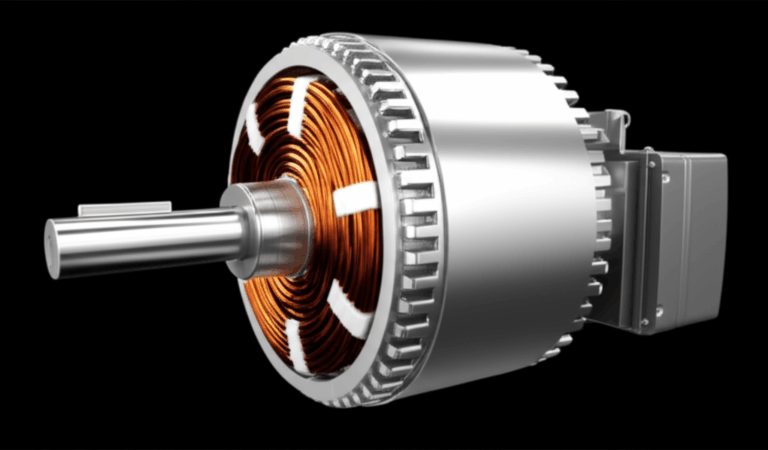
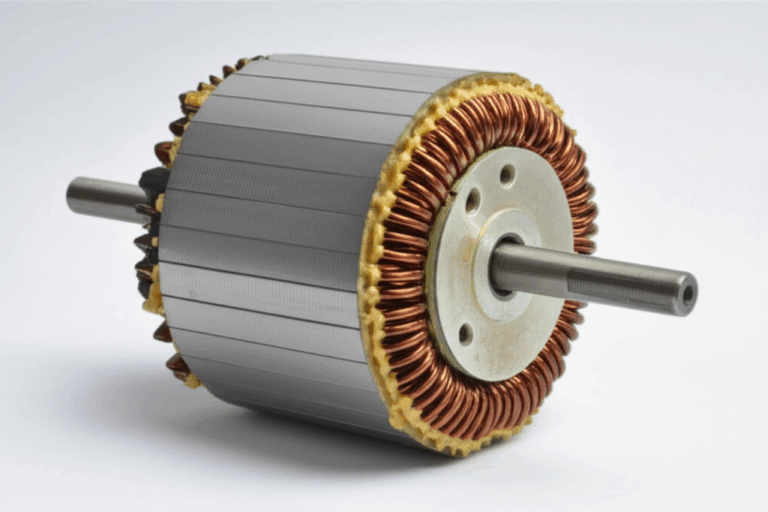
A good stroker kit, or “rotating assembly,” will come with all the core components matched to each other. This typically includes a new crankshaft, connecting rods, pistons, piston rings, and main/rod bearings. The best kits use high-quality forged pistons and forged connecting rods, which are much stronger than stock cast parts and are essential for any serious performance build. The precision engineering that goes into these components is incredible, right down to the microscopic details, much like how the design of a rotor core lamination is critical for the efficiency of an electric motor.
Key Considerations Before Building a Stroker Motor
If you’re seriously thinking about this, take a step back and plan carefully. I’ve learned this lesson the hard way.
- Budget Planning: Be realistic. Your budget needs to cover the stroker kit, extensive machine work, professional assembly, and all the supporting mods. Think about the fuel system, exhaust, cooling system, and critically, the engine tuning. Don’t forget drivetrain upgrades—your stock transmission and rear axle might not be happy with an extra 150 lb-ft of torque.
- Choosing the Right Components: Don’t cheap out. Forged components are worth the extra money for peace of mind. Work with a reputable performance shop or engine builder to select a combination of parts that works well together and matches your performance goals.
- Professional Installation and Tuning: I can’t stress this enough. Find a builder you trust. Their expertise is what will turn a pile of expensive parts into a reliable, powerful engine. After the build, a professional dyno tune is absolutely crucial to optimize performance and ensure the engine runs safely.
- Intended Use: Be honest about how you’ll use the car. A daily driver stroker build will be very different from an all-out race engine. Your goals will dictate camshaft selection, compression ratio, and other key details.
Stroker Motor vs. Big Bore: What’s the Difference?
I mentioned earlier that boring an engine (increasing the cylinder diameter) is another way to increase displacement. So, what’s the difference?
- Stroking increases displacement by making the piston travel further. It’s fantastic for building torque.
- Boring increases displacement by making the cylinder wider. It allows for larger valves in the cylinder head, which can improve high-RPM airflow and horsepower.
Often, a performance build will do both—a “stroker and a bore”—to maximize displacement. For example, a 383 SBC is technically a 350 that has been stroked and bored .030 inches over stock. The choice between focusing on one or the other often comes down to the limitations of the engine block and the builder’s goals. If you want a tire-shredding street machine, stroking is usually the primary focus.
Conclusion: Is a Stroker Motor Right for You?
Building a stroker motor is one of the most rewarding projects I’ve ever been a part of in the automotive world. It’s a deep dive into the very core of how an engine makes power. The result is an engine with a completely transformed personality—one that’s packed with torque, horsepower, and character.
However, it’s not a decision to be taken lightly. It demands a serious commitment of time, money, and expertise. It requires you to upgrade not just the engine’s internals but often the supporting systems around it.
So, is it right for you?
If you’re looking for a moderate power bump and want to stick to simple bolt-ons, probably not. But if you’re a serious performance enthusiast, if you crave that feeling of instant, overwhelming torque, and if you’re ready to invest in a proper engine build that will fundamentally change your vehicle, then absolutely. A well-built stroker motor is the ultimate expression of internal combustion power, and there’s nothing else quite like it.